Physical Address
304 North Cardinal St.
Dorchester Center, MA 02124
Physical Address
304 North Cardinal St.
Dorchester Center, MA 02124

Reprinted from WeChat public account: Chinese Life Network
In mid-March, a cluster of epidemics occurred among college students in the UK, which is attracting great attention from the medical community and public health system.
The starting point of the incident was an ordinary weekend nightlife.
In Canterbury, UK,After a carnival in a student nightclub, young people began to develop symptoms such as fever and headache. Initially, these symptoms may look like a common cold or flu and may not cause much alarm.
But within a few days, the situation took a turn for the worse.
As of March 15, the British Health and Safety Authority confirmed that the incident wasInvasive meningococcal disease (IMD) cluster outbreakhas infected 13 people, 11 of whom are in critical condition, and has causedA college student and a high school student died.. Most of the patients are young people between 18 and 21 years old.

This is why this news was quickly labeled as a “high-risk event” in the medical circle.
Meningococcal infection is one of the most alarming acute infections among infectious diseases.
An infectious disease specialist at Huashan Hospital Affiliated to Fudan University pointed out that the most dangerous thing about this disease is not how common it is, but how common it is.Very fast progress. The initial stage is almost identical to ordinary influenza, but it can worsen rapidly within a few hours and can be fatal within 24 hours in severe cases.
Patients may initially experience mild fever, headache, and fatigue, making it look like a common cold.
But then, the condition escalates rapidly:
High fever that continues to rise
severe headache
stiff neck
Photophobia, confusion
Purple bleeding spots on the skin (purpura)
Once it enters the severe stage, it often means that serious complications have occurred.
Doctors pointed out an even more surprising fact: Many healthy people carry meningococci, and the bacteria spreads in a very specific way.He said that 10% to 20% of people can carry this bacteria in their nasopharynx but have no symptoms at all. These people are called “asymptomatic carriers.” andThis bacterium is mainly spread through oral secretions, such as droplet transmission, kissing, sharing water glasses or eating utensils, and close social contact.
This also explains why epidemics are prone to occur among college students. Social behaviors in college life, such as parties, nightclubs, sharing drinks, etc., will increase the chance of droplet transmission. Experts say that if you look at the global meningococcal epidemic, you will find that many clusters of cases occur on university campuses.“Adolescents and young adults have the highest rates of meningococcal carriage, sometimes reaching 20 to 30 percent in college settings.”
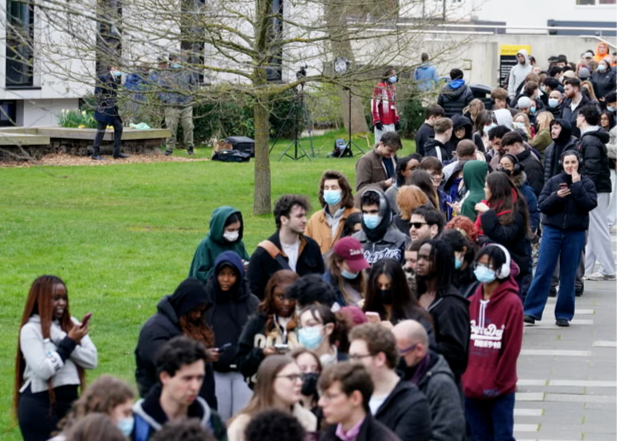
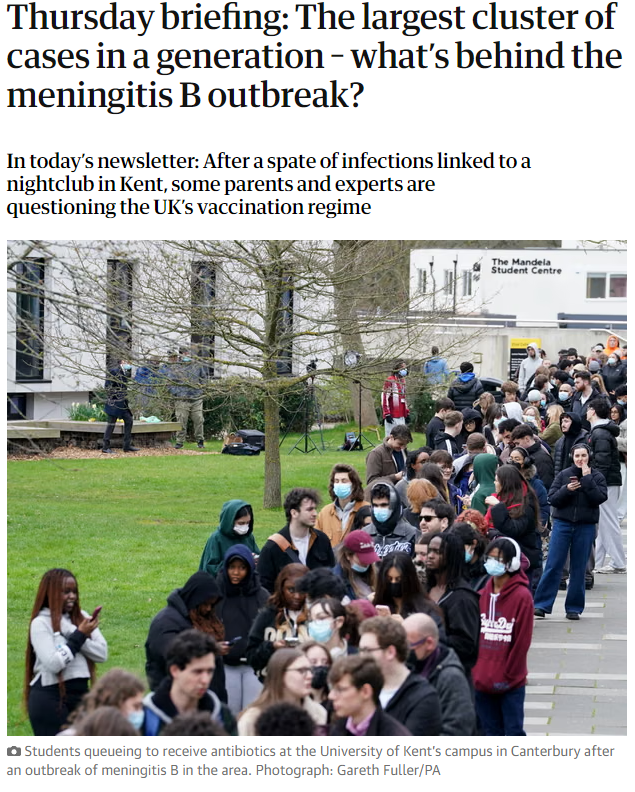
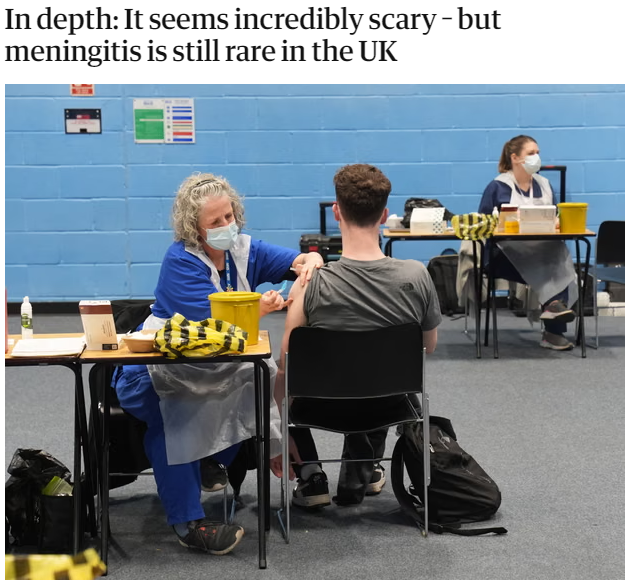
For people who may be at risk of meningococcal exposure, the UK Health and Safety Executive has recommended that anyone who visited the nightclub during the outbreak should receive prophylactic antibiotic treatment. This is standard practice internationally for controlling meningococcal outbreaks.
For ordinary people:
1. Try to avoid sharing various imported items in daily life, including water bottles, drink cups, straws, cigarettes, e-cigarettes and tableware. Many past university epidemic surveys have shown that sharing drinks is a common link of transmission.
2. Pay close attention to your physical symptoms. Although the early symptoms are similar to influenza, once symptoms such as stiff neck, photophobia, confusion, and purple bleeding spots on the skin occur, you must seek medical treatment immediately. The core feature of this disease is that the earlier it is treated, the higher the survival rate.
3. Universities recommend that students receive the MenACWY vaccine, and international students can make an appointment with their local family doctor for vaccination.
4. If you receive a relevant notice from the public health department, reminding you that you have visited the place involved or been in contact with a case, you must cooperate with taking preventive antibiotics. This is also an international standard measure to control meningococcal epidemics.
Related reading: