Physical Address
304 North Cardinal St.
Dorchester Center, MA 02124
Physical Address
304 North Cardinal St.
Dorchester Center, MA 02124

Chinese Herald Topics of the Week
Author: Shen Wen
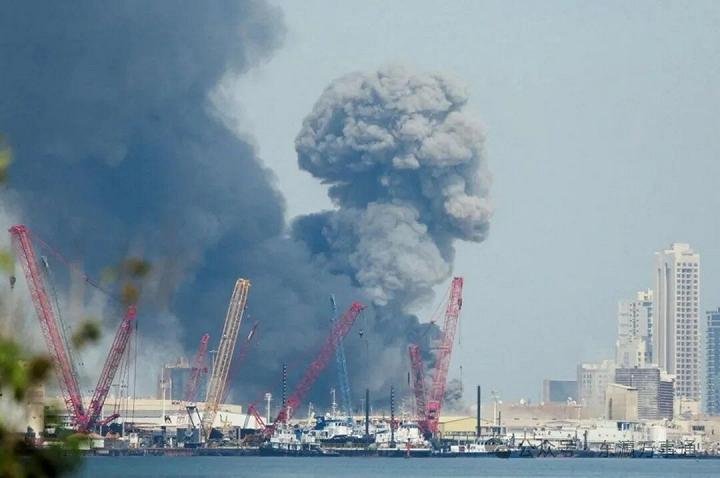
On February 28, the United States and Israel carried out a joint attack against Iran’s nuclear weapons, missiles and other strategic targets, killing Iranian leader Ayatollah Ali Khamenei and other high-level officials. The Middle East’s gunpowder depot was instantly ignited. The direct consequence of this Iranian crisis is that it threatens the safety of shipping in the Strait of Hormuz, an international waterway, and causes global oil and energy prices to soar rapidly, which will bring major disasters to countries like Japan that rely heavily on energy imports, especially Gulf oil. Japan has experienced two Middle East oil crises and endured the global impact of the Russia-Ukraine war, and is well aware of the severe gains and losses involved. However, in the face of this Iran crisis, Japan is in a dilemma, and the Takaichi regime’s response is extremely awkward.
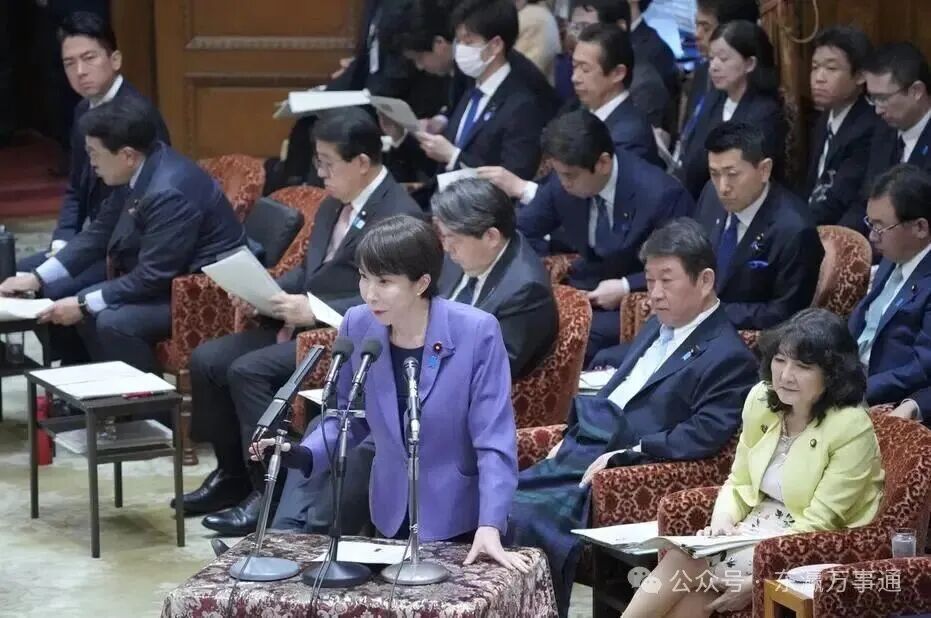
First of all, the Japanese government’s stance on this crisis is ambiguous, showing serious “double standards.”
When the Russo-Ukrainian war broke out four years ago, the Japanese government joined the Western world in standing up for Ukraine, severely condemning Russia’s “aggression” and claiming to be the defender of “justice, righteousness, and morality.” When the Iran crisis broke out this time, Japan was cautious about its words and deeds against the attacks by the United States and Israel. Instead, it publicly accused Iran of developing nuclear weapons and blocking the Strait, changing Japan’s previous role of being relatively neutral or a mediator in conflicts in the Middle East.
On March 1, Suzuki Shunichi, secretary-general of the ruling Liberal Democratic Party, said on the NHK program about the US-Israeli attack: “Given Iran’s attitude on the issue of nuclear development, we cannot condemn it altogether.” Foreign Minister Toshimitsu Motegi said: “Iran’s development of nuclear weapons is absolutely not allowed.” On March 2, Chief Cabinet Secretary Minoru Kihara avoided making right or wrong comments at a press conference on accusations that the US-Israeli attack violated the United Nations Charter. He said: “Our country is unable to grasp the detailed factual relationship and it is inconvenient to make a definitive legal evaluation.” Japan’s vague statement may be due to its alliance with the United States.
On March 5, Japanese Prime Minister Takaichi Sanae held a telephone conversation with German Chancellor Mertz. Mertz conveyed his meeting with President Trump, and Takaichi Sanae stated on the spot that he “accused Iran.” On March 6, Prime Minister Gao Shi met with visiting Canadian Prime Minister Carney. She once again expressed her attitude and said forcefully that “our country blames Iran.” In view of the strengthening Japan-US alliance, the fact that Japan relies heavily on the US nuclear umbrella, and Prime Minister Takaichi’s upcoming visit to the United States to meet with President Trump, it is impossible for Japan to remain neutral in the Iran crisis. Even if it damages the “Japan-Iran friendly relations” that have been painstakingly cultivated for decades, we must stand up for the United States.
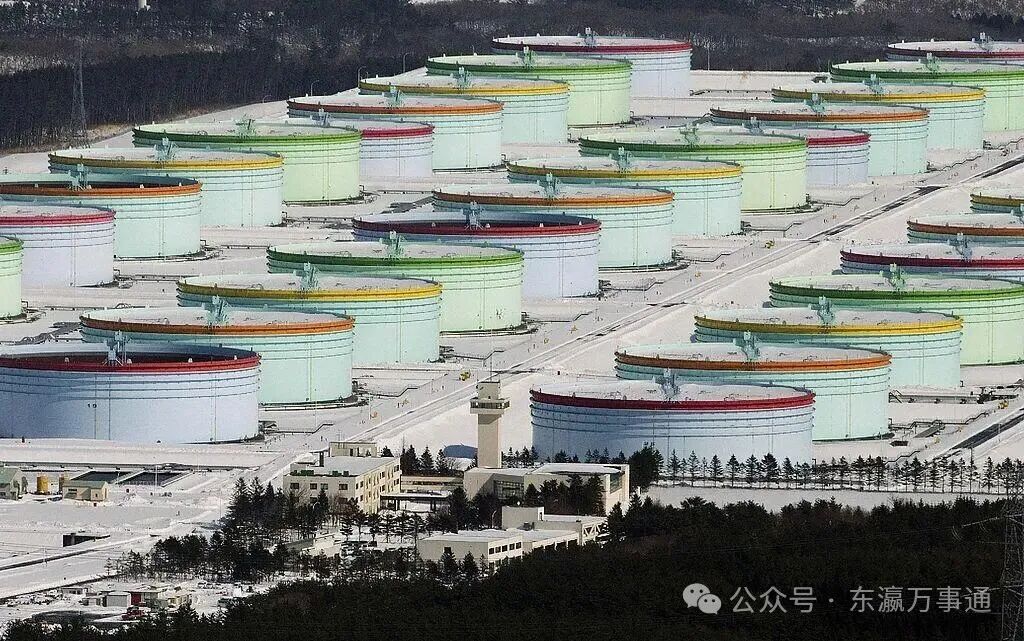
Second, Japan independently announced the release of oil reserves for the first time, showing Japan’s profound energy anxiety.
Affected by the ongoing war, international oil prices soared. Trapped in the Strait of Hormuz, Japan’s energy lifeline is seriously threatened. On the one hand, the Japanese government publicly called on all parties to immediately cease fire to protect navigation safety in the Persian Gulf; on the other hand, it decisively announced a separate release of oil reserves, even earlier than the International Energy Agency’s collective action, just to alleviate possible social crises and market instability.
Prime Minister Sanae Takaichi Displayed on March 11th,The Japanese government began to release national oil reserves on the 16th – this is the first time that Japan has independently released national oil reserves since the creation of the national oil reserve system in 1978.The last time Japan released its oil reserves was in 2022 after Russia attacked Ukraine. This time it will be implemented four years later. The government strives to stabilize the supply of oil and support the economy. Japan’s private and national oil reserves will be released at the same time, with private reserves releasing 15 days’ supply and national reserves releasing one month’s supply. According to data from the Ministry of Economy, Trade and Industry, the two total are about 80 million barrels. In terms of days, it will be the most 45 days in history.
Normally, countries coordinate the release of reserves under the framework of the International Energy Agency (IEA). Japan’s first release of oil reserves is an exception and shows deep anxiety about the energy crisis. Since then, the International Energy Agency announced that member states have reached an agreement on a joint release of oil reserves, with the release planned to be 400 million barrels, the largest in history.
On March 13, Japan’s Ministry of Economy, Trade and Industry officially announced that it would start releasing oil reserves on the 16th, starting with the release of private reserves for 15 days. Currently, over 90% of the crude oil purchased by Japan comes from the Middle East. The Strait of Hormuz is under blockade and supplies of petroleum products may be halted. Minister of Economy, Trade and Industry Ryomasa Akasawa said that “we will work with private companies to secure alternative procurement locations.” Candidate locations include the United States, Central Asia, and South America, and Japan will accelerate the diversification of energy supply. Akazawa said private companies are “exploring alternative routes” to transport crude oil from Saudi Arabia and the United Arab Emirates (UAE) using oil pipelines.
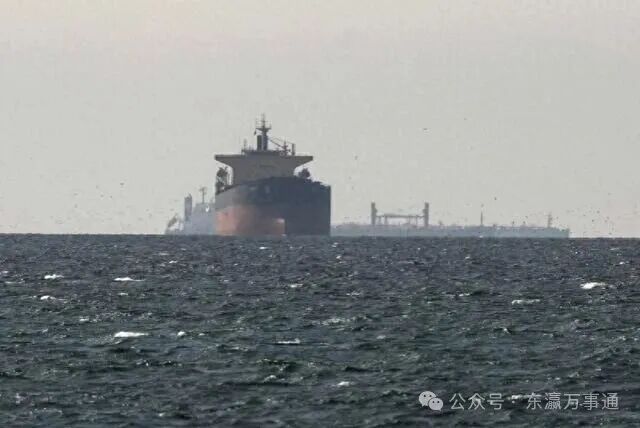
Third, will the Iran crisis trigger an “existential crisis situation”? Whether Japan sends troops or not is a trap.
U.S. President Trump said on the 14th that in order to ensure the safety of shipping in the Strait of Hormuz, he expected Japan and other countries to send ships to escort. He named “China, France, Japan, South Korea, and the United Kingdom” on social platforms. In an interview with NBC, Trump also pointed out the possibility of Iran laying mines in the Strait: “We will conduct thorough mine clearance operations, and we hope that countries that are blocked from obtaining crude oil will also join in.” According to analysis,Trump may mention this matter at the Japan-US summit meeting on the 19th – this is also the most troublesome issue for Prime Minister Takaichi and he hopes to avoid it.
On March 12, after the heads of the Group of Seven (G7) held an online meeting, France, the rotating presidency country, issued a statement saying that the meeting reached an agreement to explore the possibility of escort. However, Prime Minister Takaichi said at a meeting of the House of Representatives Budget Committee on the 12th that “it is not conceivable to deploy the Self-Defense Force nearby as advance preparation for mine clearance.” Prime Minister Takaichi stated at a meeting of the House of Representatives Budget Committee on the 13th that “no decision has been made yet” on dispatching Self-Defense Force escort ships. Takaichi said that the Japan-US summit meeting with President Trump on the 19th will express Japan’s position and thoughts on the situation in the Middle East, including Iran.
Senior leaders of Japan’s ruling party and opposition parties have emphasized that Japan’s dispatch of Self-Defense Forces escort ships to the Middle East needs to be handled carefully, and Prime Minister Takaichi should not easily agree to Trump’s request. It can be seen that Takaichi Sanae, who originally planned to visit the United States in order to deal with the China issue, is falling into anxiety and panic due to the outbreak of the war in Iran. In the current situation, European countries are fully preparing for a front against Russia due to the Ukraine crisis, and it is difficult to substantively participate in military operations against Iran, so Trump may have high expectations for Japan. Takaichi went to the United States to meet with Trump, and whether he agreed or refused to send troops to the Middle East to escort and clear mines was an issue that Japan could not bear. It is necessary to refuse to directly participate in the war in Iran, and to reduce astronomical military compensation as much as possible. The pressure faced by the high market is self-evident.
Entering March, Prime Minister Gao Shi’s foreign affairs schedule is intensive.Starting with Canadian Prime Minister Carney’s visit to Japan, leaders from Singapore, Indonesia, and France will also visit Japan one after another in March. In the middle of the year, Gao Shi will also embark on his first trip to the United States to hold talks with President Trump. The thorny Iran crisis and the regional situation will be on the agenda. What Japan is really worried about is that Trump may ask Japan to support military operations or provide assistance during the talks, which will put Takaichi’s diplomatic response capabilities to the test.
Related reading: