Physical Address
304 North Cardinal St.
Dorchester Center, MA 02124
Physical Address
304 North Cardinal St.
Dorchester Center, MA 02124

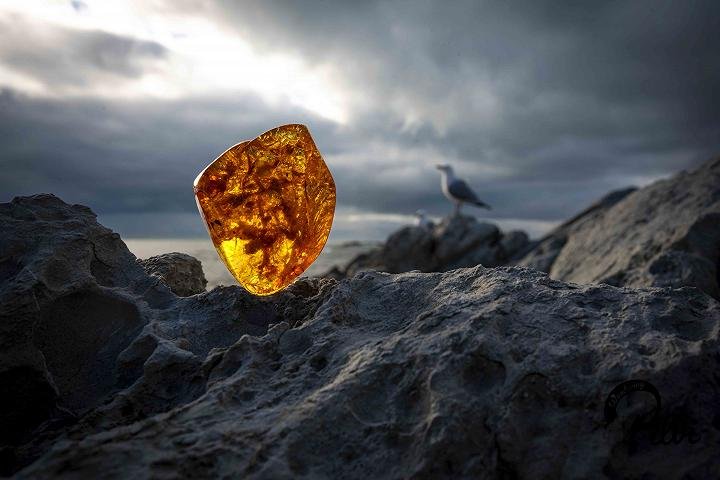
China has a deep and proud connection with the otherworldly beauty of Hu Po (ancient tree resin), a history that dates back more than 4,000 years. Amber has long been highly regarded in China and is widely used in palace decorations, funeral ceremonies and various important sacrifices. In recent years, the Chinese community’s enthusiasm for amber has even exceeded Europeans’ esteem for Baltic amber.
On a wider scale, amber is found almost everywhere in the world, even in Antarctica. The main varieties include Baltic amber, Dominican amber, Burmese amber, Mexican amber and Canadian amber; in the past few years, gem-quality amber has also been discovered in Vietnam.
“Chinese” amber mainly comes from Fushun and Myanmar in China. On a spiritual level, amber is regarded as the “tiger soul” – the tears left by a dying tiger; the tiger itself is regarded as the guardian that wards off evil and avoids evil. The golden color of most amber symbolizes wealth, power and nobility.
The story of Chinese amber is fascinating and rich, but I won’t go into details here. This article is aboutKauri resin (Cowrie Gum)or rather“green amber”——Amber’s younger brother. This is a young resin from New Zealand’s tall and majestic kauri trees. Found only in the northern regions of New Zealand, it is a treasure.
The story about kauri resin begins with the Maori people. Let’s start with the Maori people. In Maori legend, kauri resin is regarded as the tears of “Tohora” (Southern Right Whale), the spiritual brother of “Kauri”, symbolizing their grief when Tohora returns to the sea and is separated forever.
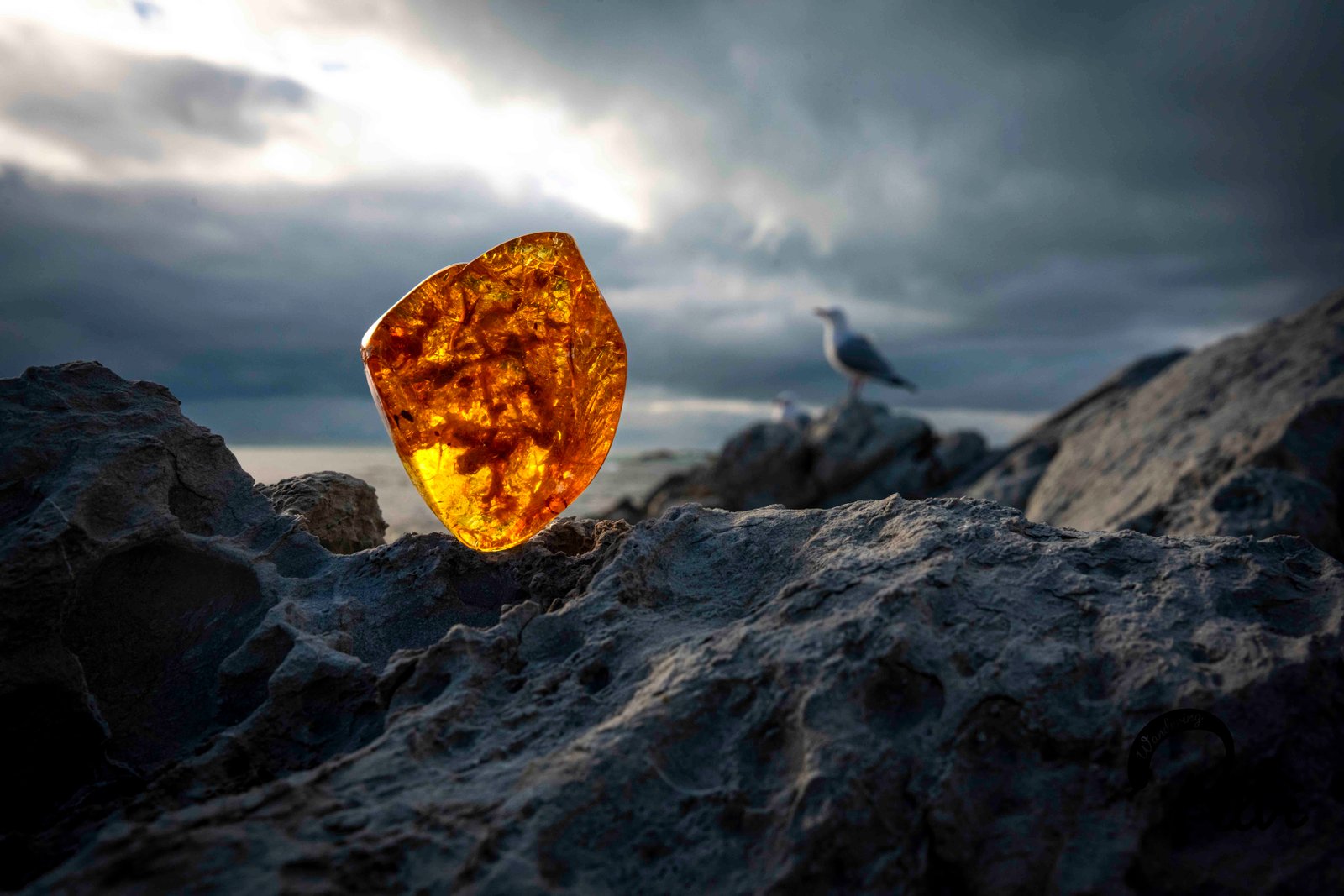
The photo shown above was taken on the coast of Kaikoura, an emblematic location. In 1964, the last whale captured in New Zealand waters breathed its last breath near this coast. Perhaps what we see here is a drop of “whale tear” washed ashore by the storm.
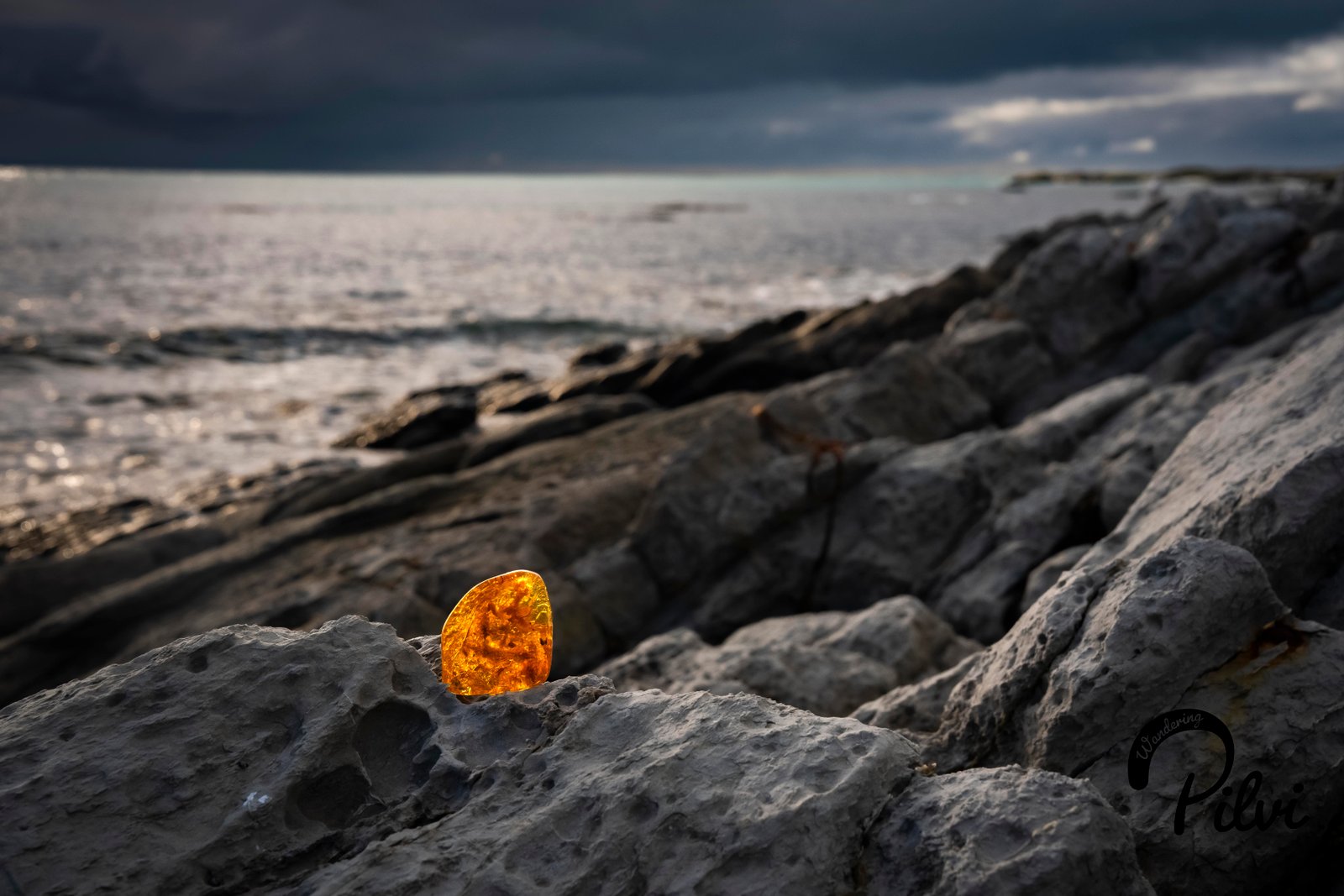
Just as the Chinese used amber, the Maori used kauri resin for medicinal purposes, including as an antiseptic and to treat asthma and arthritis. The ashes of burned kauri resin are also used as pigments in the famous Maori tattoos.
In the 1840s, settlers who followed Maori discovered the commercial use of kauri resin, making it highly sought after in Europe and North America. These rapidly industrializing regions used it primarily for the manufacture of varnish and linoleum. Shipping resin to the United States and Europe, which typically takes three to five months, is a dangerous and expensive process. However, kauri resin still generated huge profits and became one of New Zealand’s largest export industries, funding important early developments in the emerging land north of Waikato.
By 1905, 10,800 tons of kauri resin were exported; by 1945, this figure had dropped to just over 1,000 tons, and by 1970 only 20 tons remained. A combination of increasingly scarce resources, poor quality control, and the advent of synthetic materials led to the end of the industry.
Initially, Kauri resin was picked up from the surface; but soon it was dug from the ground – even large chunks of resin weighing over 250 kilograms! These excavations took place mainly in the hills and marshes of Northland, South Auckland and the Coromandel. Later, people even climbed Kauri trees to collect resin from the branches, or cut the trunk artificially to let the tree “bleed resin” for later collection. However, the practice was quickly banned due to the severe damage it caused to the trees. And it’s not just the trees that are at risk – there are records saying that when some collectors climbed high trees, they found the bones of their predecessors hanging on the trees. Those unfortunate people lost their ropes and were unable to come down from such a high place, and eventually died.
Although Chinese communities dominated New Zealand’s early gold rush, particularly in Otago, this was not the case in the kauri resin collecting areas. There is little evidence of extensive Chinese involvement, although Chinese-style carvings can still be seen in some polished kauri resin collections. It is generally believed that this is because the development of the gold mining industry preceded the resin industry, and the relevant legislation restricting the Chinese from wider participation in economic activities was in effect before the kauri resin industry really took off.
To further explain, between 1865 and 1870, the Otago regional government took the initiative to introduce Chinese immigrants to participate in gold mining. These immigrants came mainly from Guangdong and Australia and quickly arrived in New Zealand. But starting in the 1880s, these policies were reversed. The central government began to restrict Chinese immigration (both into New Zealand and within the country) and to restrict their wider participation in economic and social activities. From that point on, Chinese immigrants had little choice but to pursue local occupations that had low barriers to entry (no licenses required, low capital requirements), could be labored by family members, and were of little interest to European immigrants, such as vegetable growing and small retail trade.
As a result, it was Dalmatian communities, especially those from coastal Croatia, who ultimately dominated rubber extraction. They outperform all other groups by working as a team and through their drive and skill. However, just as the Chinese community had been treated before them, despite their hard work, they suffered discrimination in customs and laws. Just like the Chinese community, the Dalmatians later made important contributions to New Zealand’s economy and culture beyond their proportion of the population, especially laying a solid foundation for New Zealand’s wine and horticulture industries.
In addition to its industrial uses, kauri gum was once prized for its natural beauty after being ground and polished. Kauri resin comes in many different grades (colors and hardnesses), the most prized of which are those that are hard, transparent and display a spectacular interior, sometimes containing clearly identifiable inclusions of insects or plants. The best grade is extremely rare, and the price can often reach more than ten times the ordinary grade; if purchased by a collector, the price will be even higher.
Today, existing collections of kauri resin are suffering from surface cracking and oxidation, obscuring their inner beauty. In particular, sunlight, high temperatures and fluctuations in humidity can cause serious damage to highly polished kauri resin, as they do to polished amber (hu po). The tragedy is that kauri resin only reveals its true beauty when exposed to sunlight; however, it is this very light that quickly destroys it.
With the end of the kauri resin industry, new sources of polishing material were cut off. Nowadays, the small amounts of resin occasionally found on beaches or unearthed in accidental excavations are mostly of average quality, the truly high-quality ones are even rarer, and even fewer find their way into the hands of those with the knowledge and passion to reveal its inner secrets. In contrast, amber continues to be mined around the world and is eagerly sought after by collectors – as it has for thousands of years and will likely continue into the future.
So it’s safe to say that the end is slowly coming to an end for this amazing New Zealand treasure. This is one of the important reasons for holding this photography exhibition – to preserve the natural beauty of kauri resin forever.
This exhibition was created by the talented Belgian photographer Pieter (Pete) Verlaakis the first and likely to be the only exhibition of its kind (whether it will be held again will depend on the success of this exhibition).The exhibition will be held at the Arataki Visitor Center for two months starting from April 3.
The online exhibition can be viewed via the following link:
https://dasforestltd.queensberryworkspace.com/index
There is also a small kauri gum exhibit in the visitor center, and the center itself is located in a young kauri forest; this is in sharp contrast to Baltic amber and traditional Chinese amber – the ancient tree species that produced the amber have long been extinct over the ages.
The exhibition will be accompanied by public lectures on the history of kauri resin (its uses, myths, and its importance in shaping New Zealand culture and economy), and its morphology (what it is, where to find it, how to process it). The lecture time and location are as follows:
For those interested in attending exhibitions and lectures, consider spending a long weekend in the Waitākere Ranges exploring the area’s stunning beaches and scenic walks. Friendly staff at the visitor center are also happy to provide excursion advice, safety tips and information on nature conservation (the park is currently facing a key challenge – ‘dieback’ that threatens kauri trees). There are also a number of quality accommodation and restaurant options in the area, many with excellent views of the city.
For the more adventurous, consider heading further afield to the Matakohe Kauri Museum (not far south of Dargaville). There, in addition to a rich display of content related to kauri resin and the timber industry, there is also the largest collection of polished kauri resin ever collected, which is unique in size and quality.
Finally, the kauri resin on display in this photography exhibition comes from a private collection, totaling more than 800 pieces. Efforts are underway to distribute this collection to public institutions in New Zealand and overseas. In view of the long-standing enthusiasm for amber (hu po) in Chinese society, our core goal is to donate the core part of the collection to an appropriate institution in China, subject to the other party’s intention.