Physical Address
304 North Cardinal St.
Dorchester Center, MA 02124
Physical Address
304 North Cardinal St.
Dorchester Center, MA 02124

This article is reproduced from the WeChat public account: Chinese Life Network
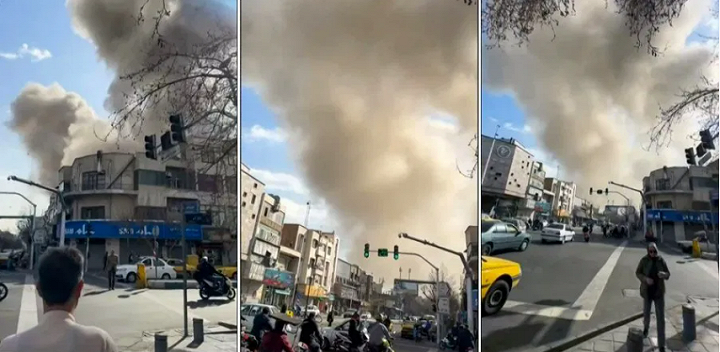
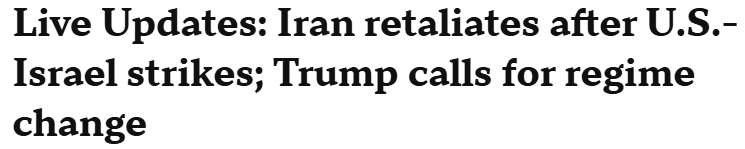
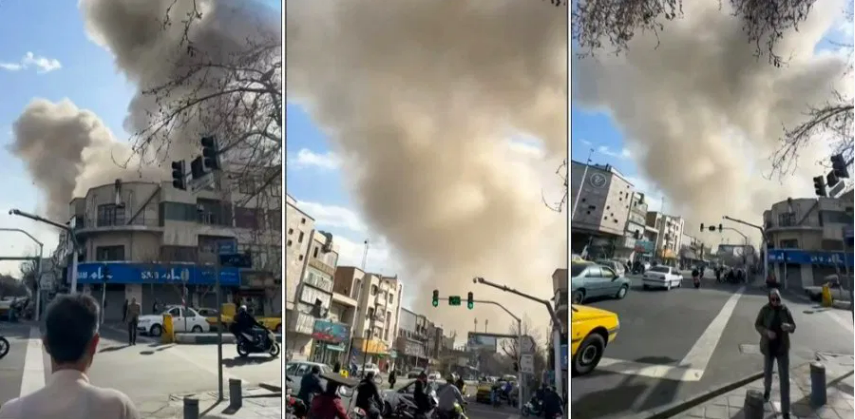
On February 28, 2026, the United States and Israel announced a major military strike against Iran. The action comes after weeks of President Trump pressuring Iran to reach a new deal on its nuclear program and in response to threats to Iran to crack down on protests in January. Subsequently, Iran launched counterattacks against targets in Israel and US military facilities in the Middle East.
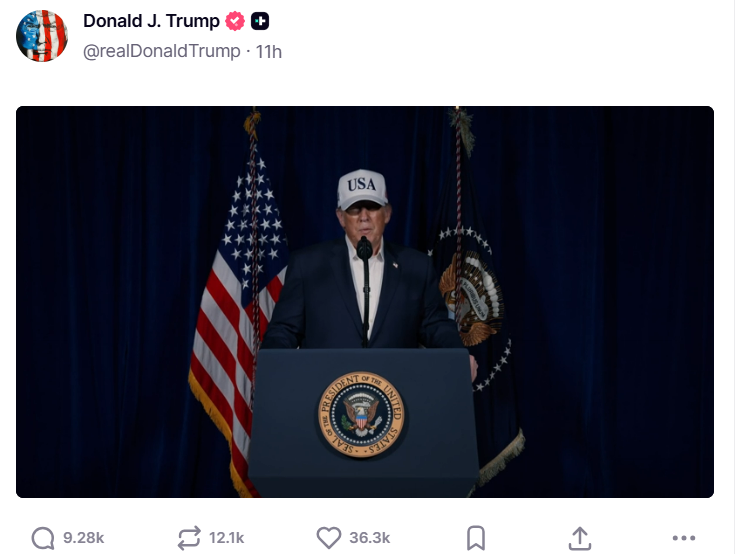
Trump said in a video posted on the social platform Truth Social that the United States is “launching a large-scale, sustained operation to prevent this evil, extreme dictatorship from threatening the United States and our core national security interests.” The U.S. military named this operation “Operation Epic Fury.” Trump called on the Iranian military to lay down their weapons and called on civilians to “take over your government” to achieve freedom and security for the Iranian people.
The Israeli military reported that multiple rounds of Iranian missile attacks have targeted targets in Israel. At the same time, Iranian missiles also attacked at least two important US military bases in the region. Before the strike, the United States had deployed more than a dozen naval ships and multiple military aircraft to the Middle East, while conducting indirect nuclear negotiations with Iranian officials.
Trump ordered air strikes on Iran’s key nuclear facilities in June 2025, and threatened many times at the beginning of this year that if Iran did not reach a nuclear agreement, it would launch a larger strike than last year.
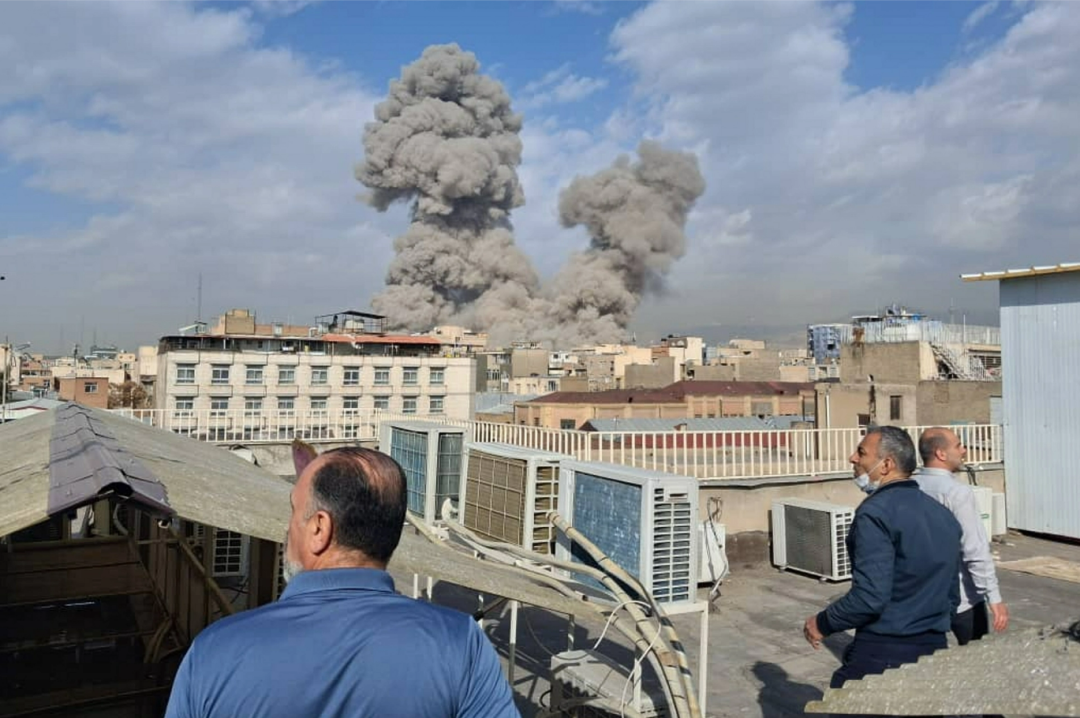
The Iranian Red Crescent Society stated through state-run television that US-Israeli air strikes have killed at least 201 people and injured 747 people, and the strikes covered 24 of Iran’s 31 provinces. Rescue operations are underway, and 220 rescue teams have been deployed to various locations.
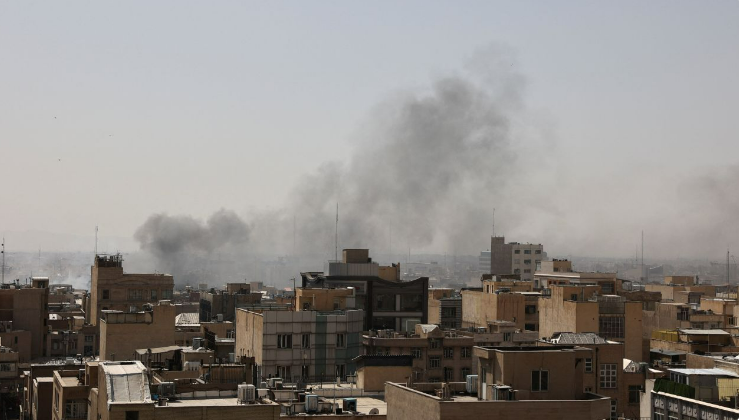
Strikes were reported in the Iranian capital Tehran, Isfahan (home to major nuclear facilities), the holy city of Qom, Karaj, Kermanshah, Lorestan and Tabriz.
At the same time, the Internet in Iran was almost completely shut down. The NetBlocks organization stated that the national network connectivity rate was only 4% of normal levels. This is a blockade measure often taken by the Iranian authorities in response to large-scale protests or wars.
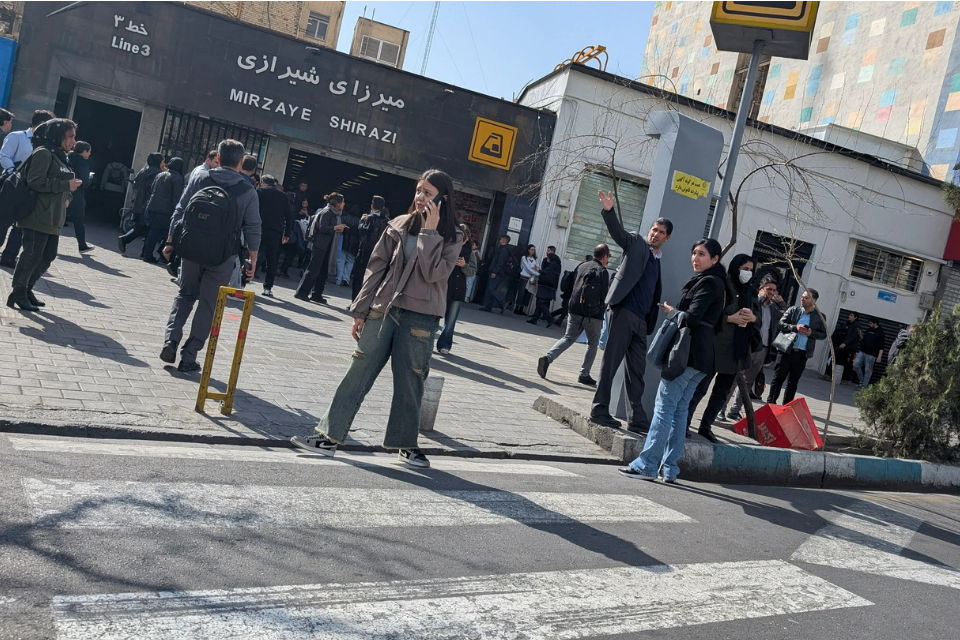
At the same time, relevant sources in the Iranian military revealed that there are currently14 US military bases attacked by Iran. Iran’s Islamic Revolutionary Guard Corps (IRGC) announced the launch of a cross-border military operation code-named “True Promise 4”, emphasizing that this was a response to the US and Israel’s attack on Iranian territory.
According to the report of the Islamic Revolutionary Guard Corps, its naval forces have launched multiple missiles and successfully hit a US combat support ship, causing serious damage. The Revolutionary Guards also warned that other maritime military assets of the US military in relevant sea areas have been included in the preset strike range of its missile and drone forces, and stated that military operations will continue to advance.
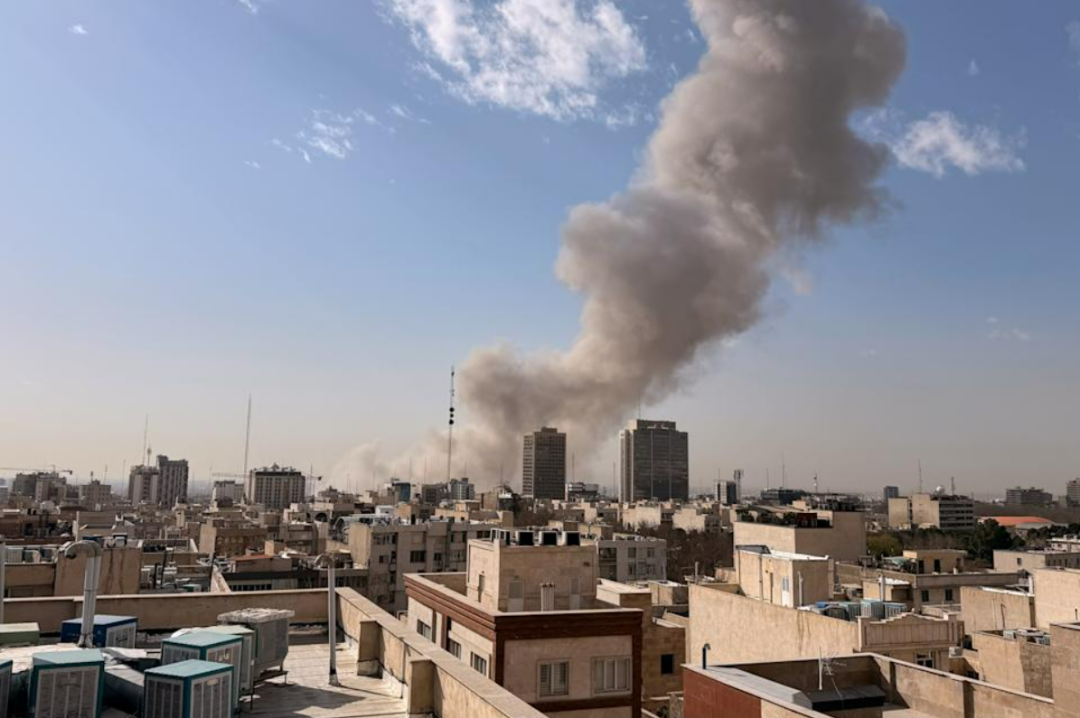
On that day, explosions were heard one after another from many bases housing US military troops in the Middle East, includingBahrain, United Arab Emirates, Kuwait, Qatar. The United States has not yet made a formal response to this.
📍 Bahrain: The US Fifth Fleet base was attacked by missiles
The Iranian military launched missiles and attacked the U.S. Navy’s Fifth Fleet Command Service Center in Bahrain. There was a huge explosion and black smoke rising. Bahrain’s Ministry of Interior has issued an emergency alert to remind people to take shelter nearby.
The Foreign Office has warned British citizens in Bahrain to stay in safe locations and avoid traveling to sensitive areas.
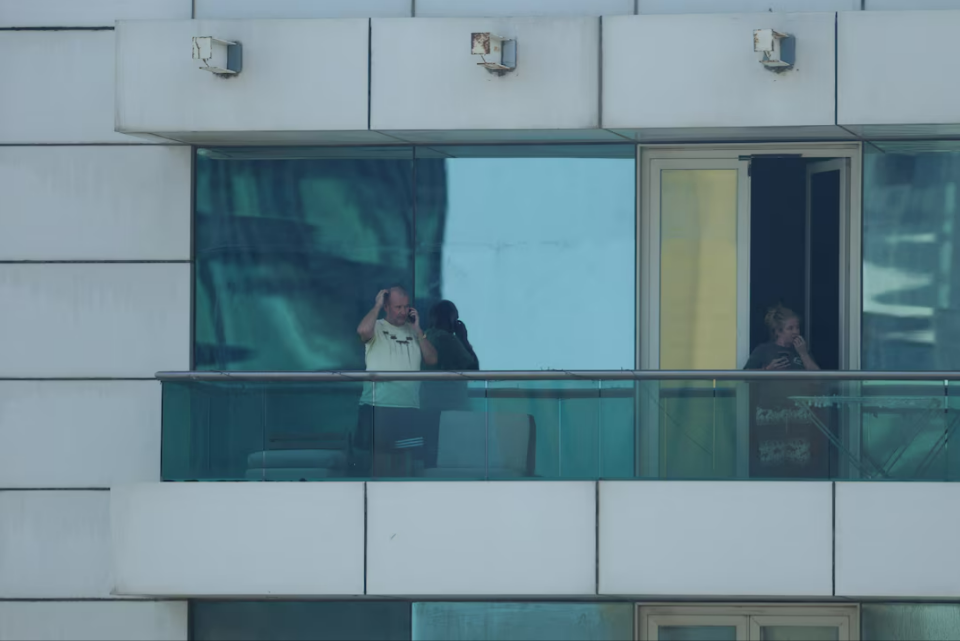
📍 UAE: Airspace Blockade and Air Defense Operations
Explosions and thick smoke were reported in several cities in the UAE, including Abu Dhabi, and authorities immediately closed part of the airspace.
UAE officials said that its air defense system successfully intercepted multiple Iranian missiles, but some fragments fell in civilian areas, causing casualties and damage.
Among them was a hotel in Dubai, United Arab Emirates. Photos provided by witnesses showed a large amount of smoke rising from the area of the Fairmont The Palm on the Palm Island.
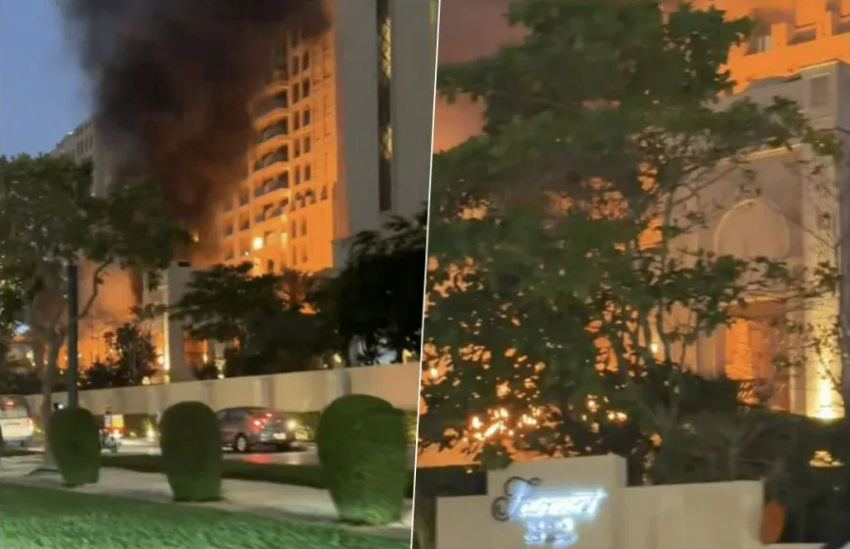
Photos circulated on social media showed a fire breaking out outside the hotel, with thick smoke rising into the air.
Dubai authorities confirmed that an accident occurred in a building in the Jumeirah area of Palm Island, injuring four people. The injured have been sent to medical institutions for treatment.
📍 Qatar: Explosions and air defense interceptions
Explosions were heard in Doha, the capital of Qatar, and surrounding areas. The air defense system was activated and successfully intercepted multiple missiles launched by Iran, apparently targeting the local Al-Udeid Air Force Base of the US military.
Local media and officials have strongly condemned the attack, which they say violates national sovereignty.
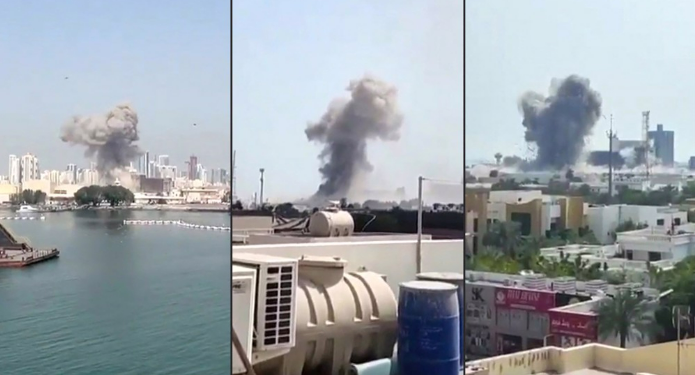
📍 Kuwait: Explosions and heightened security
Kuwait also reported multiple explosions and closed its airspace across the country as a safety measure. There are multiple US military bases in the territory and they are also one of the targets of Iranian missile attacks.
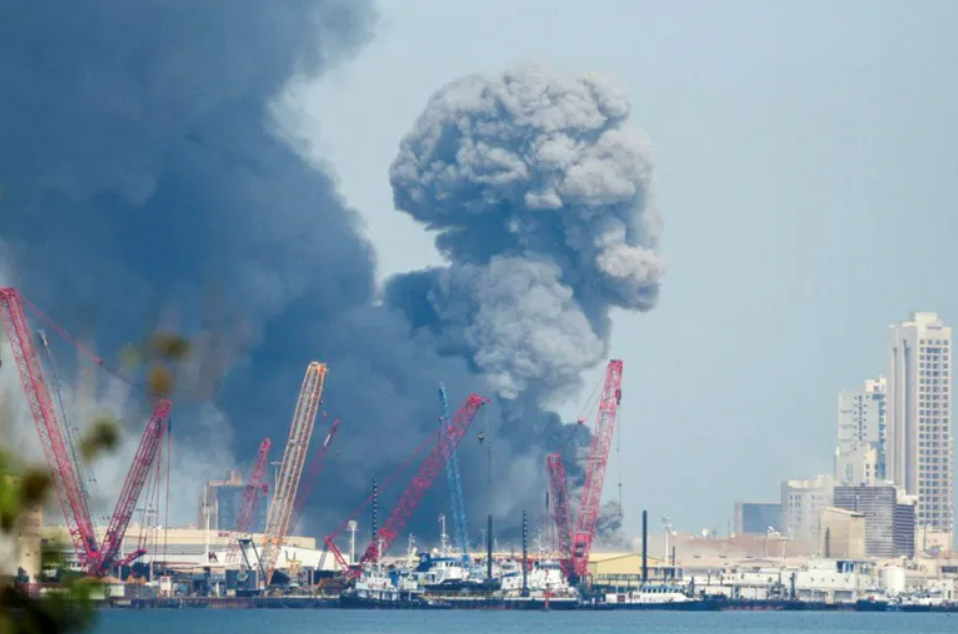
Local media reported that Kuwait’s air defense system was also actively involved in the interception, and the civil defense agency strengthened safety reminders.
📍 Middle East regional coordinated response
The foreign ministries of many countries issued statements on the Iranian missile attack, calling for respect for national sovereignty and international peace. Scientific research data shows that the Iranian Foreign Minister has had emergency calls with the foreign ministers of Saudi Arabia, the United Arab Emirates, Qatar, Kuwait, Bahrain and other foreign ministers, emphasizing that this is a “self-defense action.”
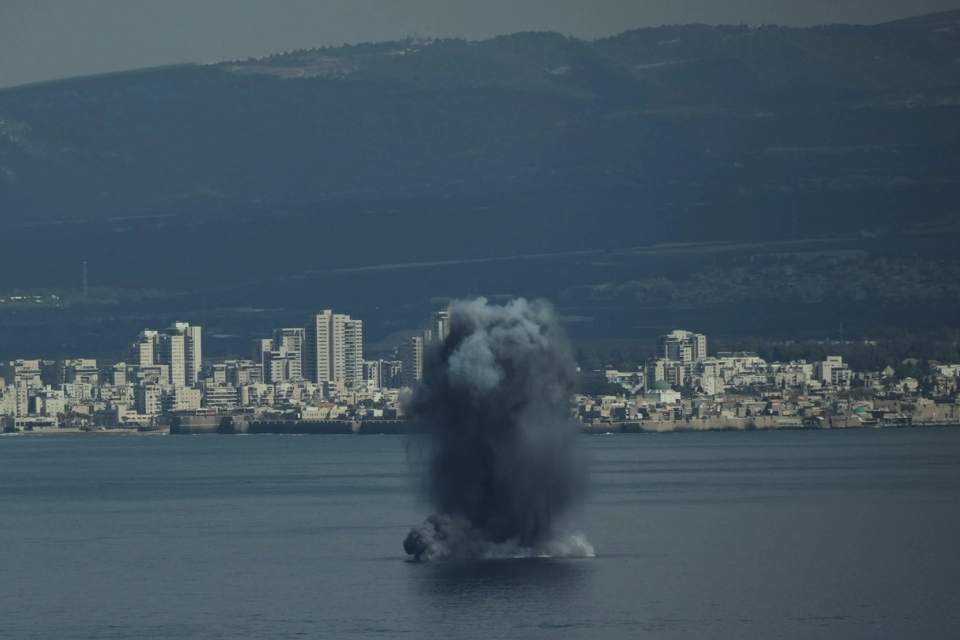
Many international media reported that the state of emergency in the Middle East has expanded, and the sound of explosions echoed in many countries, reflecting the spread of the conflict.
In an interview with the media, Iranian Foreign Minister Araghchi said that he had spoken to foreign ministers of many countries to explain the situation, emphasizing that Iran’s actions against the US military base were “not aimed at the country where the base is located”, but out of self-defense considerations. He pointed out that Iran cannot stand idly by while the United States launches an attack on it.
Regarding casualties, Araghchi said that most senior Iranian officials are currently safe and sound. Only one or two military commanders may die in the conflict, but this will not have a major impact on Iran’s overall operations.
In response to US President Trump’s statement of promoting regime change in Iran, Araghchi bluntly said that this is “a goal that is simply impossible to achieve.” He reiterated that Iran will not give up, includingCore rights including uranium enrichment. As for the communication channels between the United States and Iran, he admitted that there is currently no direct contact between the two sides, but if the United States is interested in dialogue, “they know how to get in touch with us.”
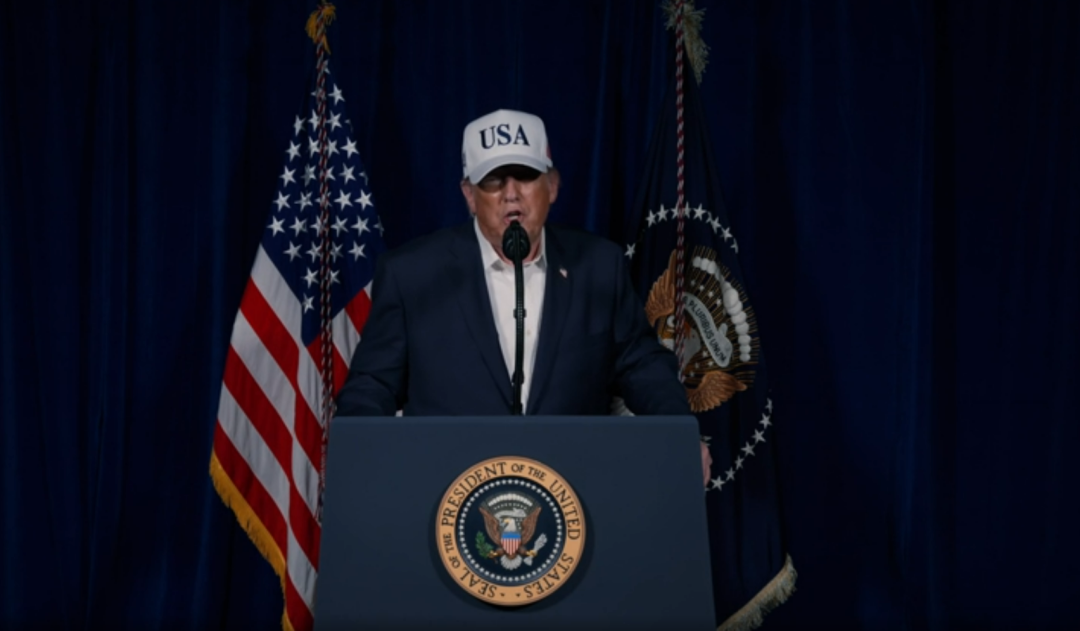
The U.S. Central Command (CENTCOM) stated that there have been no reports of U.S. military casualties so far, and the damage to facilities has been minor. The United States and allied forces have attacked the command and control facilities, air defense systems, missile and drone launch sites, and military airports of Iran’s Islamic Revolutionary Guard Corps. “The president ordered bold action, and our Soldiers, Airmen, Marines, Space Force and Coast Guard are executing the mission,” CENTCOM Commander Brad Cooper said.
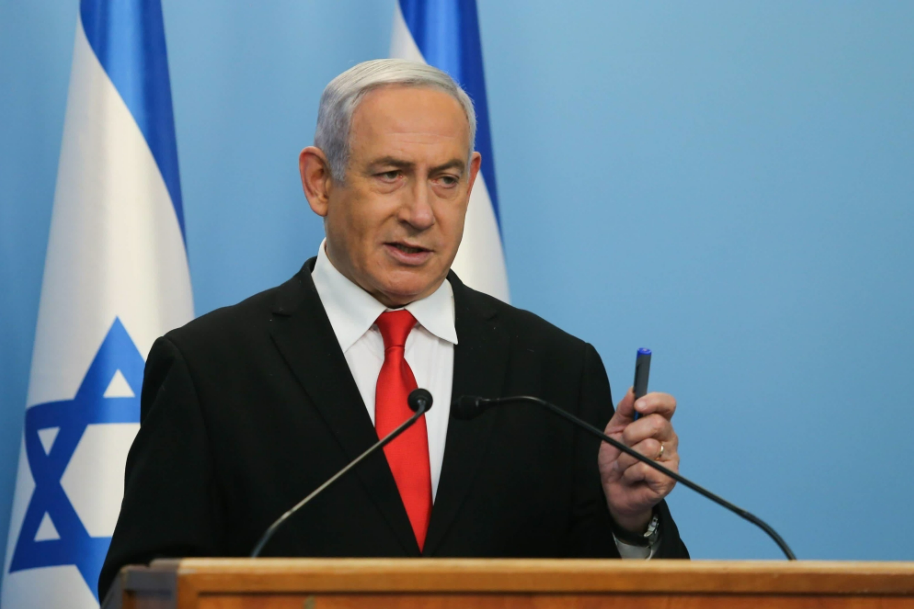
Israeli Prime Minister Benjamin Netanyahu stated that the operation aimed to “eliminate the existential threat of the Iranian regime to Israel and the world” and called on the Iranian people to “overthrow the tyranny and realize a free and peaceful Iran.” Israeli Defense Minister Katz declared a national state of emergency and warned of possible Iranian retaliation.
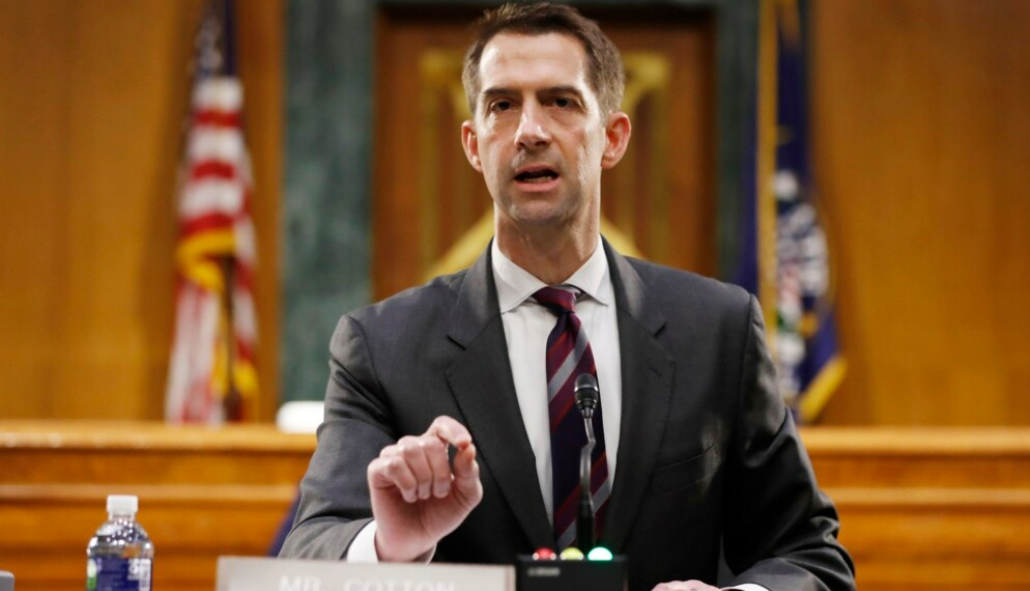
U.S. Senator Tom Cotton said that the joint action by the United States and its Arab allies will last “weeks, not days.” The goal is not only to curb Iran’s nuclear program, but also to “destroy its terrorist support network.” Cotton pointed out that Iran is currently in its weakest state since the Islamic Revolution in 1979, but the missile threat is still imminent.
Trump and Netanyahu have failed to reach a satisfactory agreement in previous rounds of negotiations. The United States has asked Iran to “stop enriching uranium,” but Iran has refused to give up completely. Trump therefore ordered military action to force Iran back to the negotiating table.
The U.S. Congress and Democratic members called on the president to promptly inform Congress of the details of the operation and emphasized that Iran has long threatened the United States and its allies through terrorist proxies and ballistic missiles. Analysts believe that former Iranian prince Reza Pahlavi may become a transitional leader if the regime change is successful, coordinating domestic and foreign forces and paving the way for future elections.
U.S. Central Command (CENTCOM)It said it was investigating civilian casualties and emphasized that “unlike Iran, the United States has never and will never target civilians.” The U.S. embassy in Qatar and Bahrain has advised local American citizens to take shelter in case of possible missile attacks.
Related reading: