Physical Address
304 North Cardinal St.
Dorchester Center, MA 02124
Physical Address
304 North Cardinal St.
Dorchester Center, MA 02124

This article is reproduced from the WeChat public account: Chinese Life Network
Another classic American retail brand has reached the crossroads of bankruptcy and reorganization.
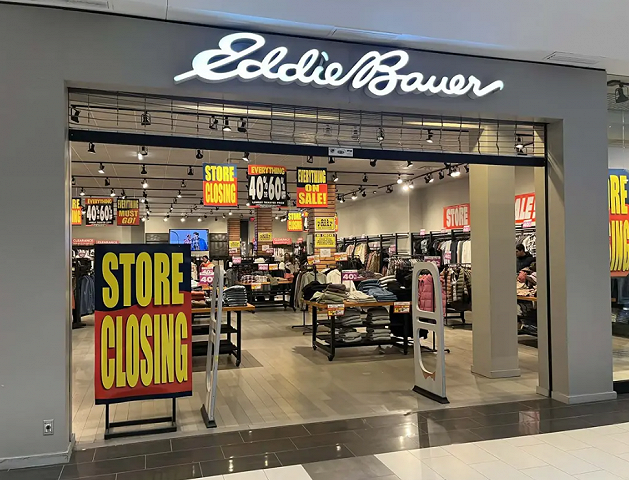
With about 180 storesEddie Bauer North American Store Operatorhas officially filed for Chapter 11 bankruptcy protection. This means that this outdoor brand, which has been around for more than a century, is once again forced to undergo large-scale business restructuring.
This isBankruptcy for the third time in more than 20 years。
What needs special explanation is that,It was not the brand itself that filed for bankruptcy this time, but the operating company responsible for operating stores in the United States and Canada.Most stores will remain open for now, but some will gradually close and the company will begin a court-supervised sale process. If it ultimately fails to find a new buyer, the North American store business may be gradually shut down.
The name Eddie Bauer won’t go away, though. The brand trademark is still held by Authentic Brands Group and may be licensed to new operators to continue operating in the future.
In fact,Behind this bankruptcy is a complete strategic transformation. The brand has made it clear that it will reduce its reliance on physical stores in the future, shift its focus to wholesale and e-commerce channels, and launch new product lines with more technical content and innovative designs.To put it simply, it means abandoning the heavy store network and betting on online and brand licensing models. This path is also the most typical survival path for the American retail industry in recent years.
Looking back at history, Eddie Bauer was once a symbol of American outdoor culture. 1In 1920, it was just a fishing supply store in Seattle.
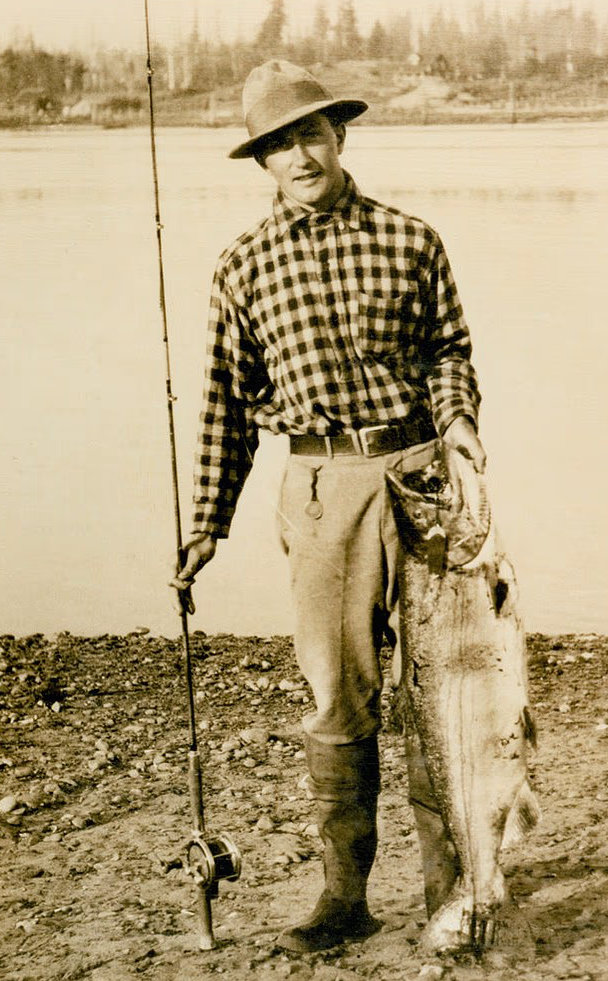
In 1936, the brand launched the first goose down jacket in the United States; in 1945, it started a mail-order catalog business and became a pioneer of the early “e-commerce model”; in 1963, the first American climber to climb Mount Everest wore an Eddie Bauer down jacket. At its peak, the brand had more than 600 stores worldwide.
But times have changed. Analysts generally believe that Eddie Bauer has gradually lost young consumers in recent years.
The brand image is considered old-fashioned and the design is not fashionable enough, and it is gradually becoming “outdated” in the minds of the new generation of consumers.
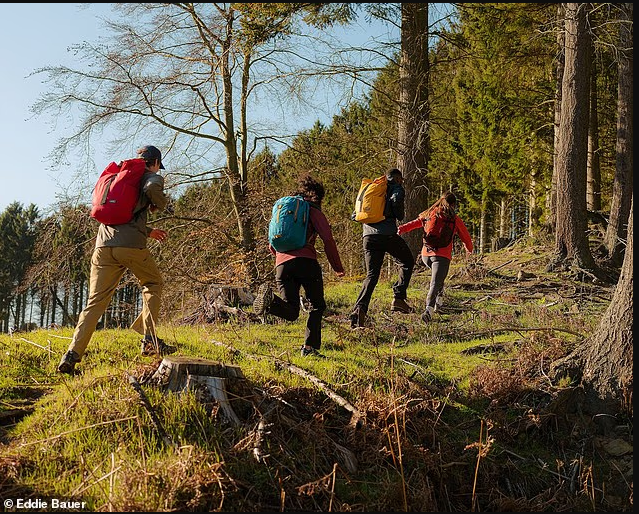
At the same time, high-end outdoor brands have risen rapidly, occupying the market space that originally belonged to them. Add to this the rising inflation, tariffs and operating costs, and the problems that have accumulated over the years have finally come to a head.
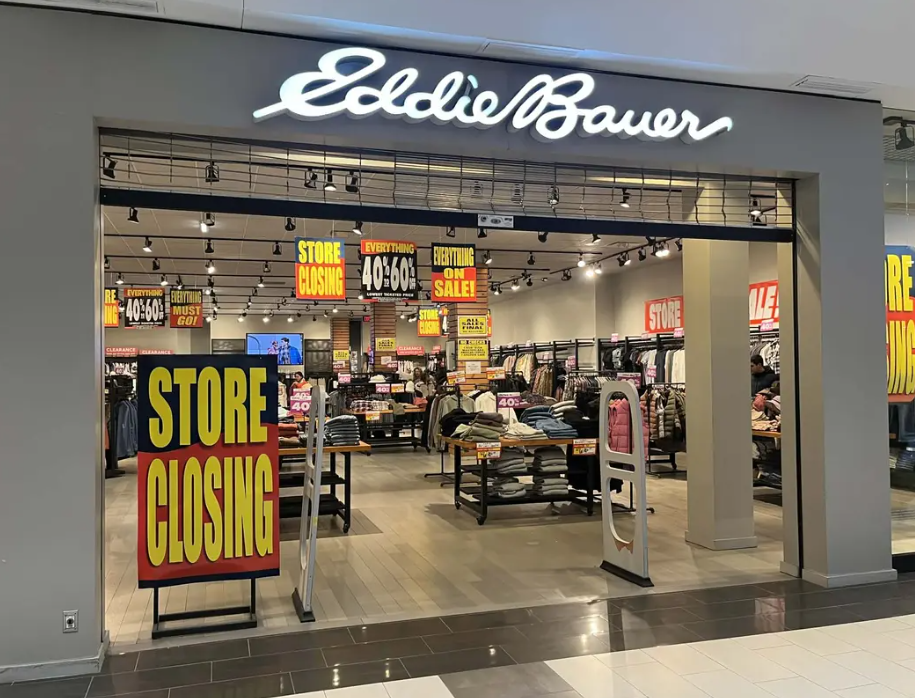
Eddie Bauer’s plight is actually just a microcosm of the wave of transformation in the American retail industry. More and more traditional brands are closing stores, reducing offline business, and embracing e-commerce and brand licensing models. The golden age of physical retail is quietly coming to an end.
Eddie Bauer may still exist, but the era of visiting its stores in the mall may never come back.
Related reading: