Physical Address
304 North Cardinal St.
Dorchester Center, MA 02124
Physical Address
304 North Cardinal St.
Dorchester Center, MA 02124

Reprinted from WeChat public account: Chinese Life Network
Just now, a joint statement from core allies of the United States quickly attracted attention.
The leaders of France, Germany, Italy, Japan, the Netherlands and the United Kingdom spoke simultaneously, rarely expressing a unified position on the same issue: they not only “strongly condemned” Iran’s recent actions in the Gulf region, but also directly mentioned a sensitive issue: the Strait of Hormuz, which is being “de facto blocked.”
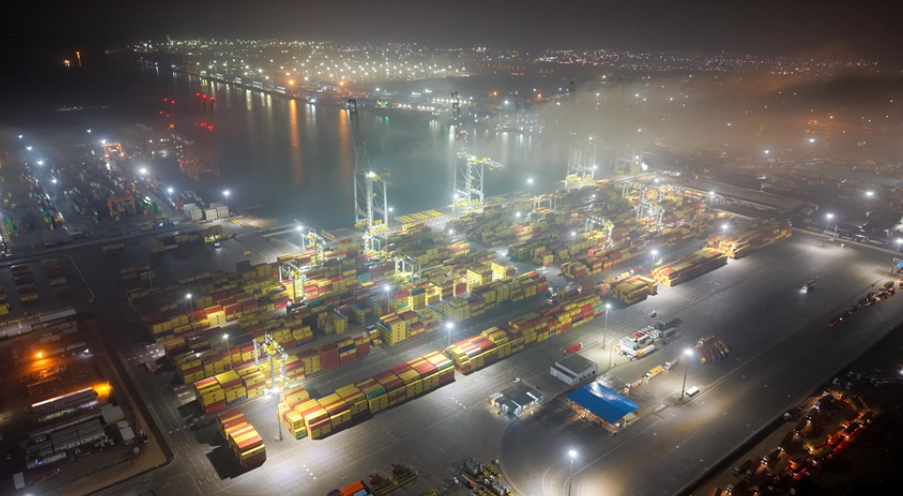
The entire statement is not long, but the wording is obviously more focused and specific.
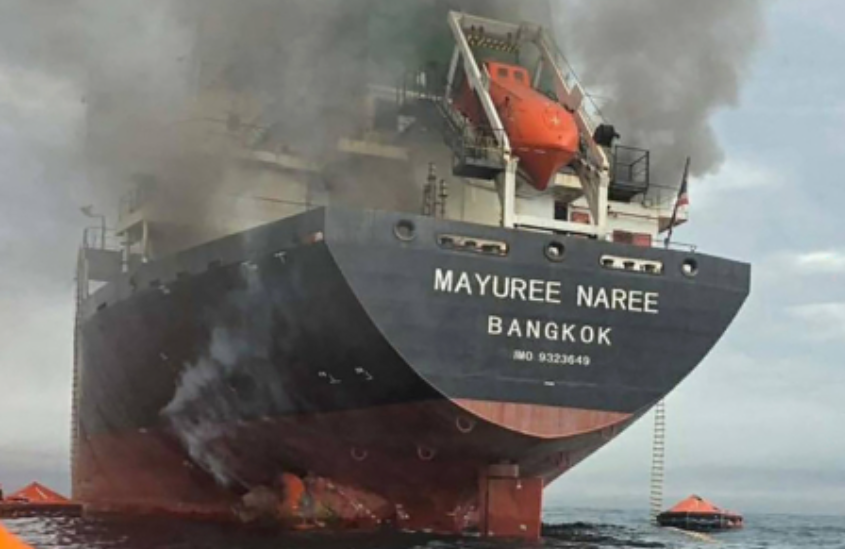
According to the statement, these six countries made it clear that Iran targetedCommercial vessels and oil and gas infrastructureThe attack has posed a serious threat.
They used the expression “condemn in the strongest terms” and emphasized that these targets wereUnarmed merchant ships and civilian installations。
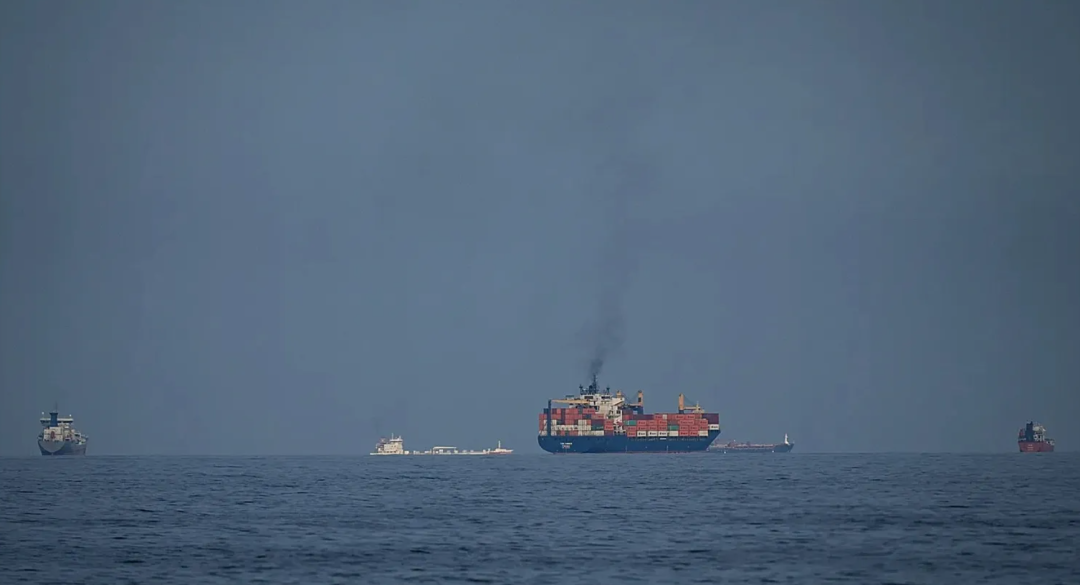
at the same time,The statement did not regard these actions as isolated incidents, but directly pointed out that these actions constituted a “de facto closure” of the Strait of Hormuz.
In this statement,The six countries listed relevant actions item by item and demanded that Iran immediately stop: They called on Iran to immediately stop threatening behaviors, laying mines, drone attacks, missile attacks, and any actions that attempt to block commercial shipping.
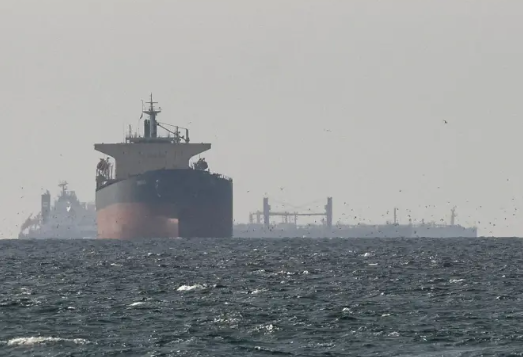
This itemized approach is unusual in diplomatic statements around the world.
The statement specifically emphasized that the importance of this strait is not just regional.
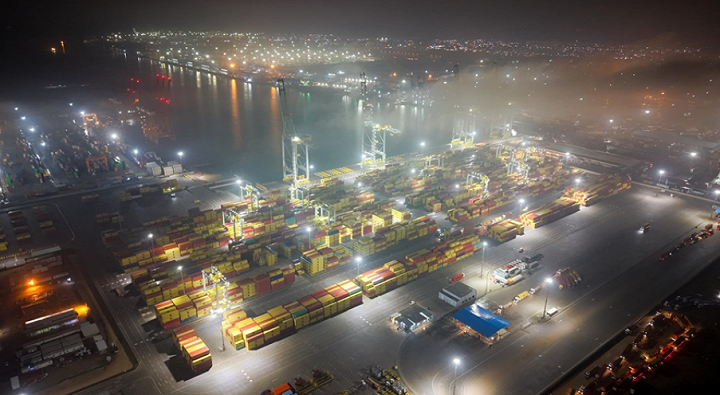
Hormuz connects the Persian Gulf to the Gulf of Oman and the Arabian Sea. It is a key node in global energy transportation. It is approximatelyOne-fifth of global oil supplyNeed to go through here.
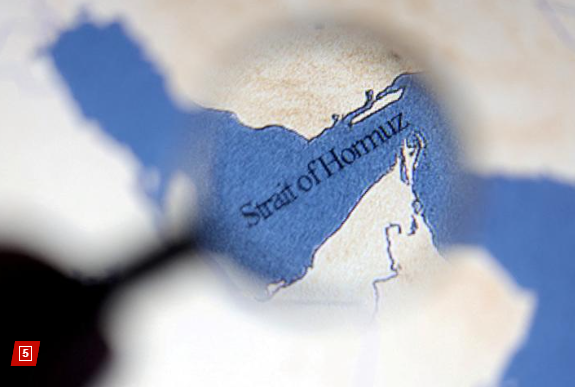
Because of this, the six countries directly pointed out in the statement that the impact of the current situation will not be limited to the Middle East, but “will be felt by people around the world, especially the most vulnerable groups.”
There is one sentence in the entire statement that is very important and has been quoted by many media: The Six Nations stated,“Ready to contribute to efforts to ensure safe passage through the Strait of Hormuz”. At the same time, they also mentioned that they welcomed the “preliminary planning” that various countries have begun.
The timing of this statement was also noticed by the outside world.
Just a few days ago, U.S. President Trump publicly stated that the United States has long assumed too much responsibility for protecting global waterways, and made it clear that countries transporting oil through Hormuz should assume more roles in security issues.
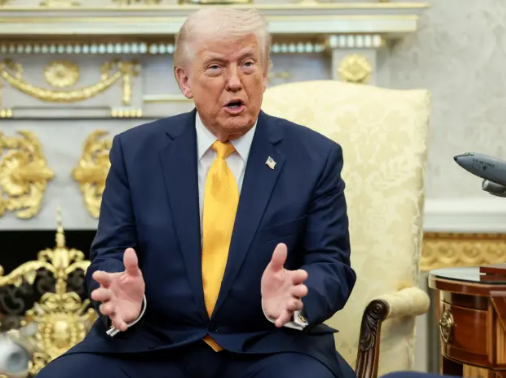
In his speech on March 14, he wrote that the United States would provide support, but this should be a “team effort.”
Previous report: The war escalates! The US military bombed Iran’s oil lifeline, Trump said many countries will escort the Strait of Hormuz
In another meeting with the Prime Minister of Ireland, Trump’s statement was more direct. He criticized some allies for long-term reliance on U.S. security guarantees, while emphasizing that the United States itself has the ability to deal with the current situation and does not need other countries to “take the responsibility for it.”
Previous report: Diplomatic storm! The allies collectively refused to take action! Trump angrily shouted in front of the Irish Prime Minister: We don’t need you at all
In less than 48 hours, Europe and Japan chose to respond in the form of a joint statement, which not only expressed their stance but also left space.
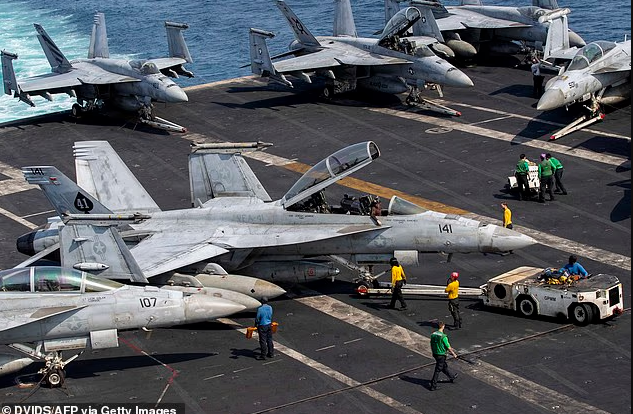
In addition to safety concerns, the statement also mentioned energy markets.
The six countries said they would support the coordinated release of strategic petroleum reserves through the International Energy Agency and communicate with oil-producing countries to increase production to mitigate the impact of the current situation. At the same time, they stated that they would provide support to the more affected countries through the United Nations and international financial institutions.
According to AAA, the average price of gasoline in the United States has risen from $2.93 per gallon a month ago to $3.88 currently.
This change occurred during a period of continued tension in the Middle East.
Related reading: