Physical Address
304 North Cardinal St.
Dorchester Center, MA 02124
Physical Address
304 North Cardinal St.
Dorchester Center, MA 02124

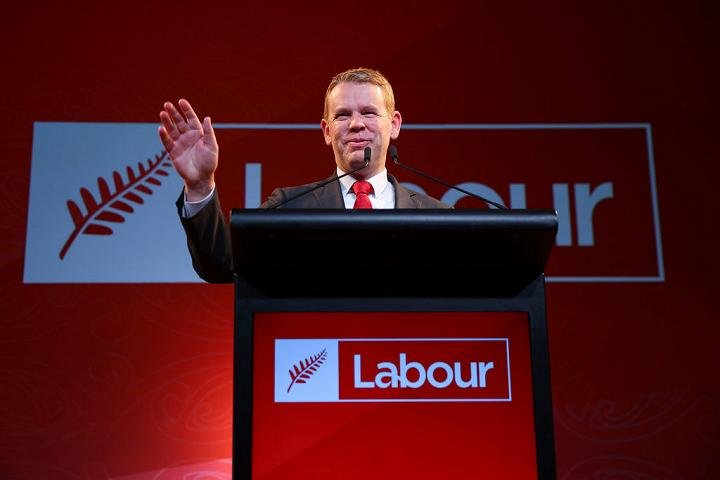
Comprehensive report from New Zealand Chinese Herald Discussions about whether Labor Party leader Chris Hipkins can survive the affair with his ex-wife are full of media reports, and his personal affairs have become the focus, but this is actually a false proposition.
These discussions presuppose that the Labor Party’s election fate mainly depends on the personal prestige of its party leader and the true state of the non-left camp. In fact, whether Hipkins actually did the accusations his ex-wife posted on FaceBook is irrelevant at a macro-political level.
What really deserves attention is the structural contradiction behind the turmoil, that is, New Zealand’s left-wing camp is at the end of its tether. Every public poll since 2023 has revealed the same fact: Labor simply cannot govern without the support of the Greens and Maori Party. This means that if relations with these allies sour, or if any of the parties perform poorly before the election or on polling day, Labor will have no retreat. This is a structural black hole that no matter who becomes leader of the Labor Party, it will be impossible to fill it.
What we should be asking is why Labor has allowed this black hole to persist. For thirty years, Labor has adhered to a single strategic principle inherited from the first MMP elections: never commit to any coalition partner, give no signals, and make no endorsements until the votes have been counted. Labor is trying to keep all options open and let the vote decide everything. This creed may have been logical in 1996 when Winston Peters held the balance of power and unexpectedly chose the National Party, but now it has ossified into a systematic refusal to lay out the coalition structure required by the MMP system.
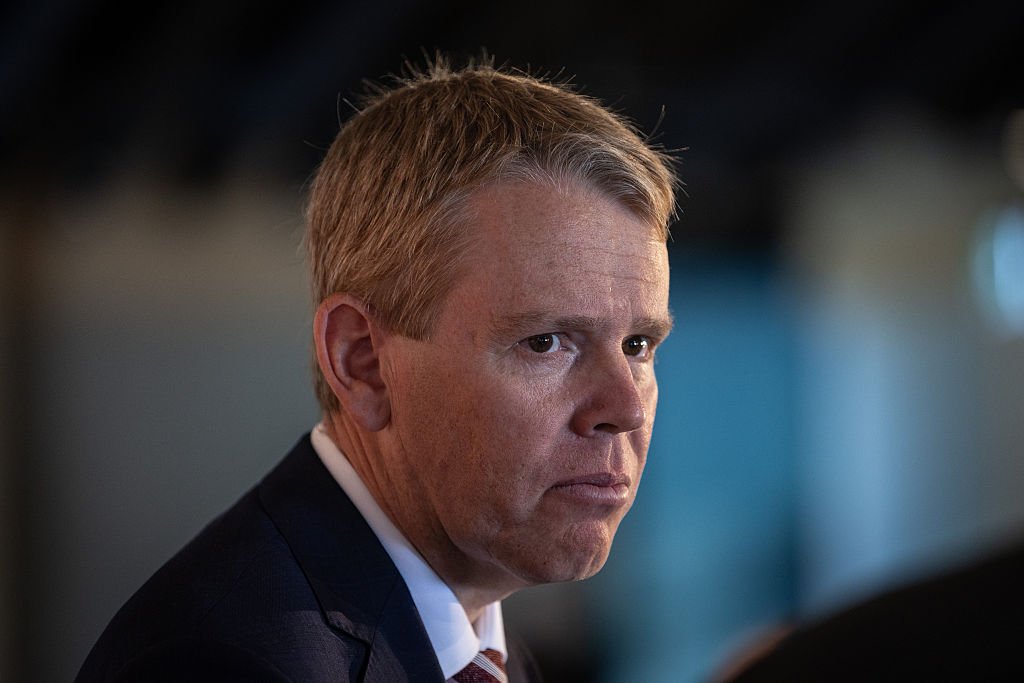
For Hipkins personally, the reason why the ex-wife scandal had such a huge impact is that the Labor Party did not provide the media with anything else to report except the personal affairs of the party leader. There are no coalition options to analyse, no pre-election transparency on who will govern with whom, and no projections on the composition of a centre-left government. All the public can see is a party leader, his private woes, and a core group trying to pick up the pieces.
When a party’s entire PR architecture is anchored solely on the reputation of one person, every threat to that person becomes a fundamental threat to the party’s electoral prospects. Of course, conversely, it may also become an individual’s bonus to the entire party, as Jacinda Ardern did in the 2023 election. This is the double-edged sword that Labor still holds.
Related reading: