Physical Address
304 North Cardinal St.
Dorchester Center, MA 02124
Physical Address
304 North Cardinal St.
Dorchester Center, MA 02124

This article comes from the public account: Australia Daily; WeChat ID: XWWB66
//Preface//
In Australia,
An unbearable reality is that
middle class,
is slowly disappearing,
People who can afford a house,
Less and less…
Therefore, experts began to call again,
Restrict immigration!
#01:
Australian middle class
disappearing
When talking about Australia, many people think of a livable environment, complete welfare and a stable middle-class life.
But now, a cruel reality is unfolding:Australia’s middle class is shrinking at an alarming rate. The ideal life that was once considered the standard is shutting out countless families, wage earners and retirees. Even the simplest life expectations of young people have become unattainable.
Saxon, 25, is a college student who also works part-time as a barista. For him, owning his own house in a safe and comfortable community is no longer a lofty goal, but an unattainable fantasy.
In the life plan of the older generation of Australians, buying a house with a loan, getting married and having children, and living a stable life are the logical paths.
But Saxon’s dream is so humble that it makes people feel sad: he just wants to pay the rent every month without panic, to have the opportunity to take a short trip every year, and to buy a cup of coffee without having to think twice or hesitate.
He bluntly said that unless the financial situation becomes extremely favorable in the future, buying a house, getting married, and having children are simply impossible to achieve in reality. Even in Perth, which is relatively easy to afford, the idea of owning a house has long become “impractical.”
Saxon’s plight is a microcosm of the shrinking middle class in Australia.
Currently, the annual income range of Australia’s middle class is about A$60,000 to A$150,000. However, as rent, mortgage, childcare and medical expenses continue to soar, even the full-time median annual salary of A$78,000has long been unsustainable and cannot support the former middle-class living standards.
What is even more worrying is that the sharply widening gap between rich and poor is further squeezing the living space of the middle class.
This year’s Oxfam report gives a set of shocking data: the wealth held by Australia’s 48 billionaires actually exceeds the total wealth held by the bottom 40% of the population.
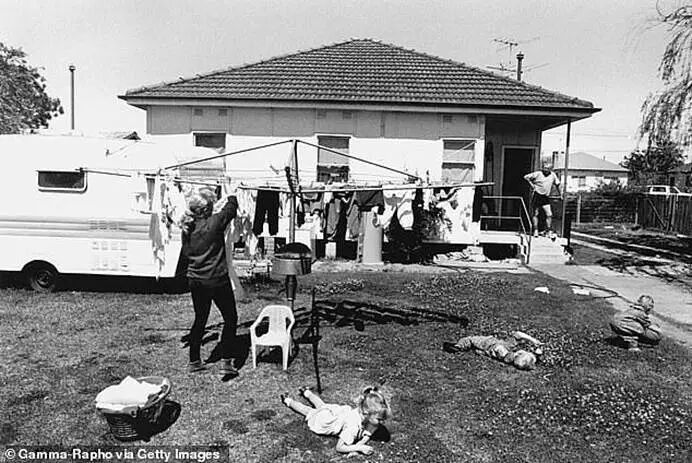
Image source: dailymail.co.uk
#02:
House prices are rising far faster than wage growth
Experts call for immigration restrictions
Demographer Simon Kuestenmacher even warned: Australia is slipping into a “U-shaped society” – the entire society will be split into two major groups, one side is the homeowners who own assets and own real estate, and the other side is the homeless group who are permanently excluded from the real estate market and have difficulty accumulating wealth.
The data he gave can illustrate the problem better:Currently, only 58% of Australians belong to the “middle-income” group, which is not only lower than the OECD average, but also far lower than the performance of the past few decades.
You know, in the 1980s, a detached house with a Hills Hoist clothes drying rack and an annual family vacation were standard features for middle-class Australian families.
Now, as housing prices have risen far faster than wages—more than three times since the 2000s—the foundation of this middle-class life has collapsed. Many people who want to buy a house have to shoulder record debts and struggle to move forward.
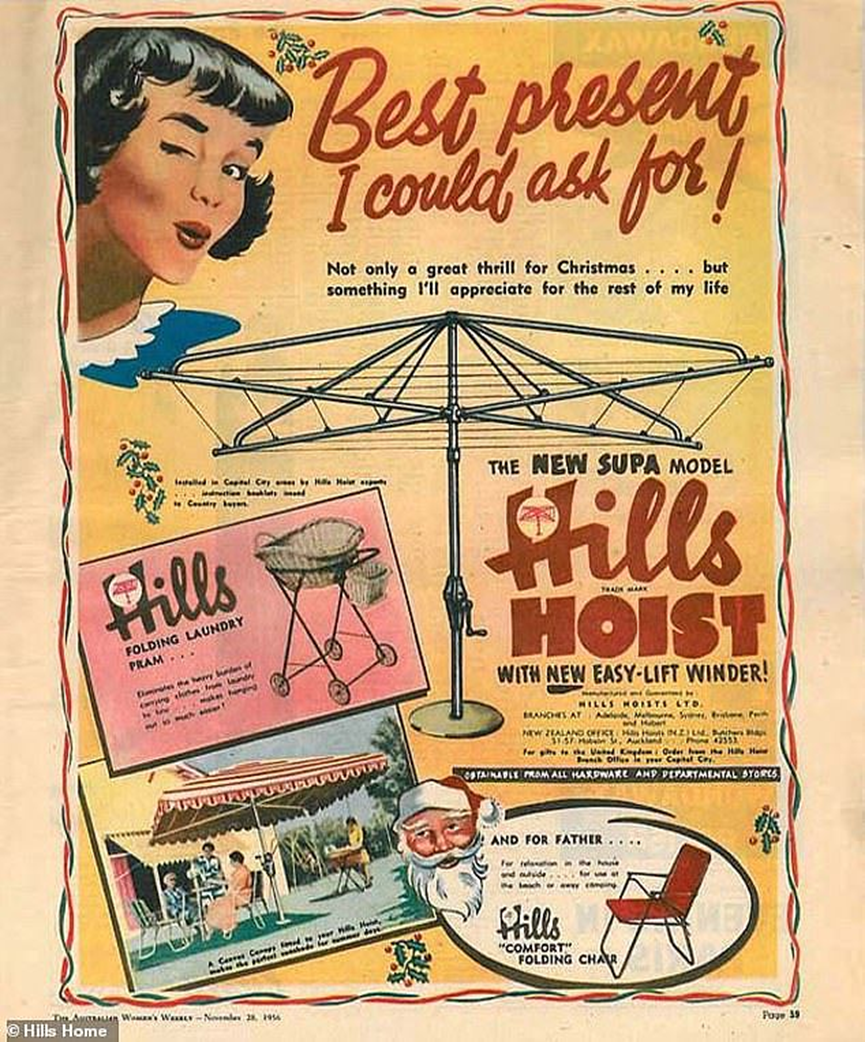
Image source: dailymail.co.uk
Currently, a typical first-time home buying couple can no longer afford an entry-level home in any major city in Australia.
Five years ago, only Sydney was prohibitively expensive. Now, entry-level house prices have risen significantly in Brisbane, Perth and Adelaide, with Adelaide more than tripling.
In Sydney, the mortgage expenses of first-time homebuying couples already account for 62% of their wages, which is twice what it was five years ago. The difficulty of buying a house has become a big problem for young Australians.
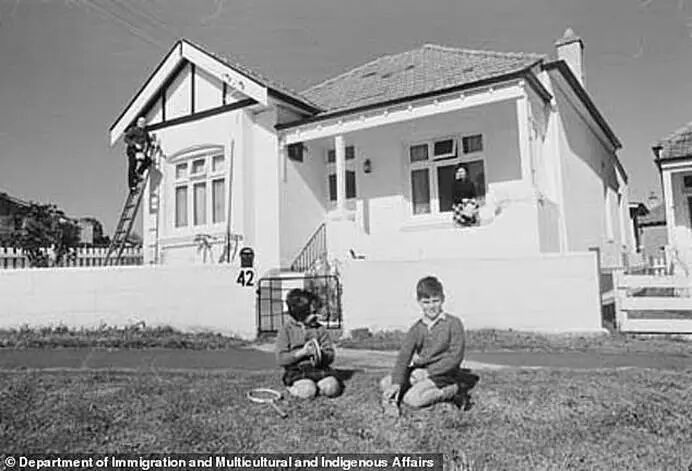
Image source: dailymail.co.uk
There is no hope of buying a house, and it is equally difficult to rent a house. Australia is gradually becoming a “nation of renters”.
The home ownership rate across Australia continues to fall, and this downward trend is particularly sharp among younger groups – the home ownership rate for Australians aged 25 to 34,It has plummeted from 61% in the past to 43% today. More and more young people are forced to choose long-term renting.
What is even more frustrating is that the pressure to rent a house is also increasing, and young people’s financial management space has been greatly reduced.
CoreLogic data shows that in the past five years, Australian rents have increased by as much as 44%, which is almost three times the wage increase (17%).
Affected by the low vacancy rate and serious imbalance between supply and demand, current renters need to spend one-third of their pre-tax income on rent, and the remaining money can barely cover basic living expenses.
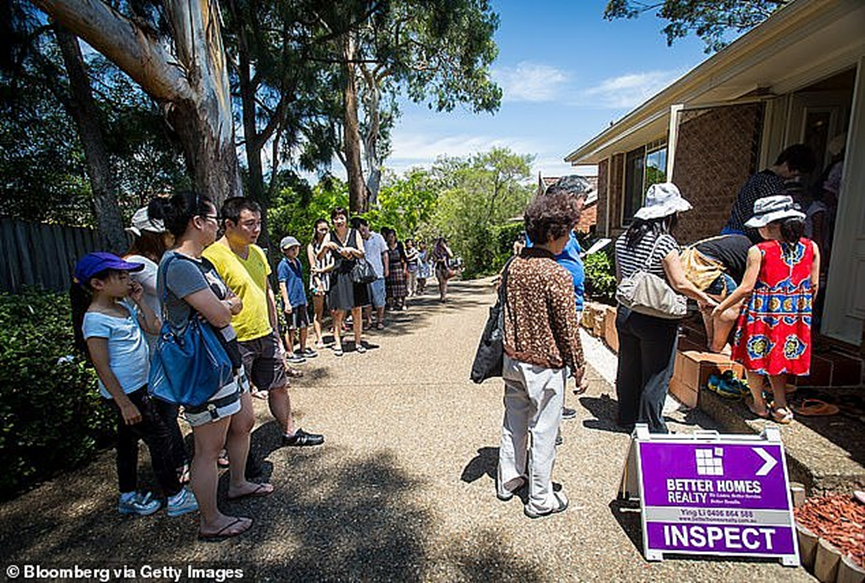
Image source: dailymail.co.uk
What makes the situation even more serious is that even basic service workers are in the predicament of “no housing to rent” in most parts of Australia.
Research by Anglicare Australia shows that only 2.3% of housing in Australia is affordable for ambulance workers; and the proportion of affordable housing for nurses, early childhood education and catering workers is as low as 1.5%, or even less than 1%. These basic practitioners who support the normal operation of society have difficulty meeting even basic housing needs.
Economist Leith van Onselen blamed the crisis on the largest wave of immigration in Australia’s history.
He called on the federal government to follow Canada’s example and restrict immigration to ease the pressure on housing and infrastructure, noting that Canada has seen a significant decline in rents after implementing relevant restrictions.
at last
Australia’s middle class
Can you still hold on to your place of survival?
this crisis,
It may take longer,
Only then can real solutions be found.
Reference
Related reading: