Physical Address
304 North Cardinal St.
Dorchester Center, MA 02124
Physical Address
304 North Cardinal St.
Dorchester Center, MA 02124


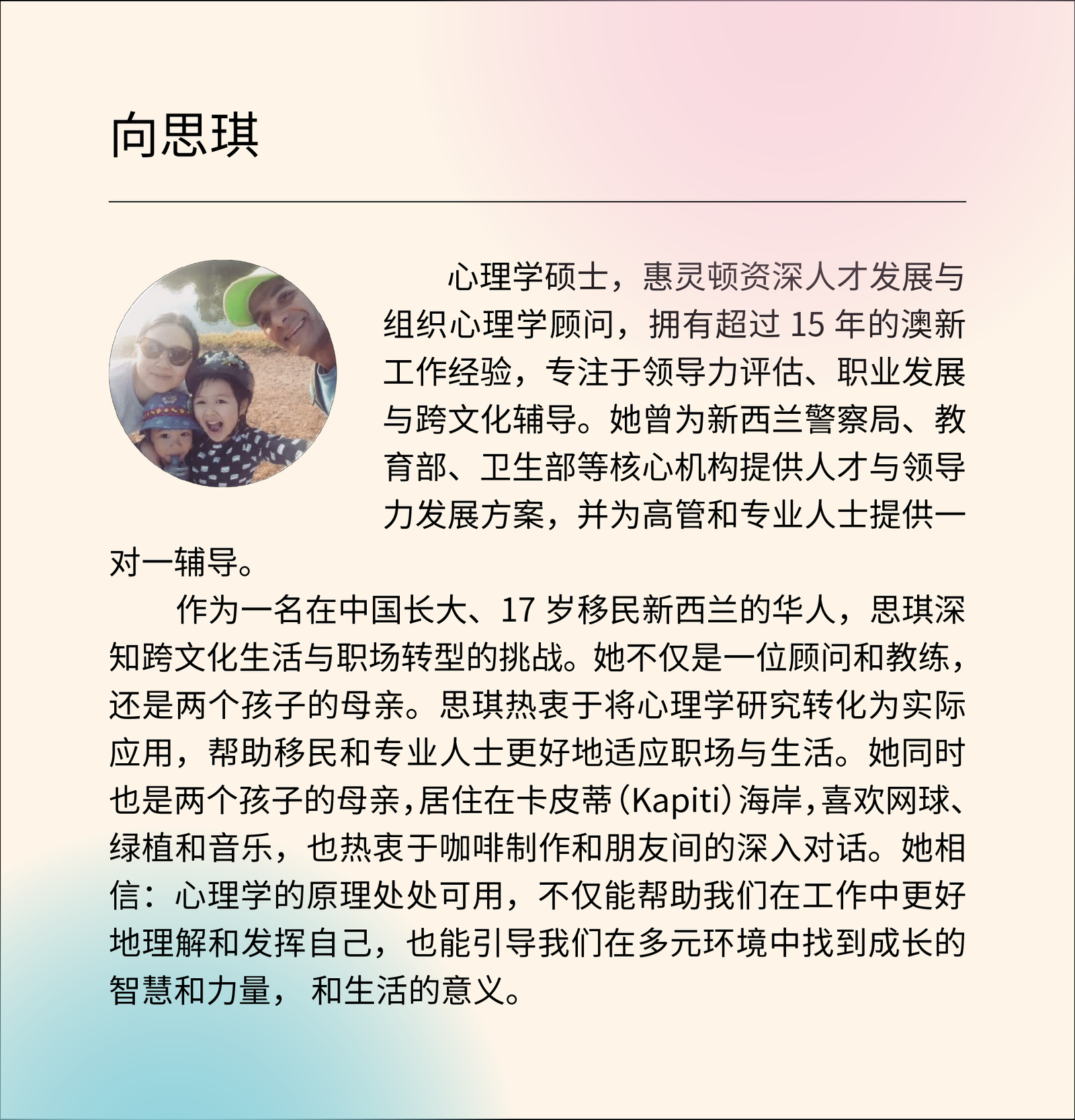
Chinese Herald columnist Skee
In the career development of many people, people tend to focus on abilities, experience or academic qualifications. However, in organizational psychology research, there is one factor that has a great impact on long-term career development, but is often ignored:Emotional stability.
In other words, how a person responds when stress, conflict, or uncertainty arises often determines how far he or she can go more than ability itself.
1. What is truly scarce in the workplace is not just ability
In most organizations, highly capable people are not uncommon. Many teams have people with strong skills and high work efficiency. But when friction arises in teamwork, customer pressure increases, or problems arise on a project, people often see a clear difference:
Some people have obvious mood swings when they encounter stress, while some people always remain calm.
In organizational behavior, when leaders evaluate employee potential, they often look not only at abilities but also at a person’s emotional response patterns in stressful situations. Because the higher the position, the more uncertainty and complexity you face. If a person loses control easily, it will be difficult to take on greater responsibility.
Therefore, in many key positions, leaders are more willing to choose people who are emotionally stable, responsive, and trustworthy.
2. People usually have three reactions when facing conflicts
Conflict and stress are inevitable in any workplace environment. However, people from different cultural backgrounds often have different reaction patterns when facing conflicts.
In psychology, these reactions are generally divided into three categories: aggression, avoidance, and repair.
The first is an aggressive response.
When things don’t go well, some people immediately react with anger, accusations, or emotional outbursts. This approach is not uncommon in some cultures that place greater emphasis on direct expression. But in a teamwork environment, too strong emotions are often interpreted as unprofessionalism and may also affect others’ trust in your judgment.
For many overseas Chinese, this reaction is actually uncommon.
The second type is avoidance response.
The education and cultural influence that many Chinese people have received since childhood is to be more tolerant and to “take a step back to open up the world.” During team discussions or disagreements, many people will choose to stay silent or try to avoid expressing their differences head-on.
This approach can indeed reduce friction in the short term, but in Western workplace environments, it sometimes brings about another problem: others may mistakenly think that you have no ideas or are not proactive enough to participate in decision-making.
Over time, some people who were originally very capable were underestimated because of insufficient expression.
The third type is a repair response.
People with higher emotional maturity often develop the third mode over time. It’s not that they don’t have emotions, but after realizing that emotions arise, they calm down first, then discuss the problem rationally and find solutions.
This approach not only expresses a position but also maintains relationships. In cross-cultural teams, this kind of clear and respectful communication is often easier to build long-term trust.

3. Being emotionally stable does not mean saying nothing.
In fact, many overseas Chinese do not want to express themselves, but they are worried that their English is not good enough, or they do not know how to express their opinions without making the atmosphere awkward.
In fact, in the cross-cultural workplace, many communications do not require complex language.The key is to learn ways to express yourself politely and clearly.
For example, when expressing disagreement, try saying something like this:
• “I see your point, but I have a slightly different perspective that I would like to share.”
I understand your point of view, but I want to share a different perspective.
• “That’s an interesting idea. Can I share another angle?”
This is an interesting idea, may I add a different angle?
• “I might be wrong, but my understanding is…”
Maybe I don’t understand completely, but my opinion is…
When a misunderstanding needs to be clarified:
• “Just to clarify, what I meant was…”
I want to clarify what I just meant…
• “Perhaps I didn’t explain it clearly earlier.”
Maybe I didn’t explain it clearly just now.
When the discussion gets a little tense, also try:
• “Maybe we are looking at the same issue from different angles.” Maybe we are looking at the same issue from different angles.
• “Let’s see if there’s a solution that works for both sides.” Let’s see if there’s a solution that works for both sides.
These simple expressions can express a position while maintaining an atmosphere of respect and cooperation.
4. Communicating calmly, rationally and effectively while managing emotions is actually a professional ability.
Many people think that emotions are part of their personality and are difficult to change. But modern psychological research shows that emotional regulation ability can be learned and improved.
For example:
• Give yourself a moment to pause before an emotional reaction occurs;
• Understand the other party’s position first before expressing your own;
• Shift the focus from “who is right and who is wrong” to “how the problem is solved”.
These seemingly simple habits can significantly change a person’s image and reputation in the workplace in the long run.
Conclusion
In a highly competitive workplace environment, ability is important, but what really makes a person go a long way is often emotional maturity.
Many overseas Chinese do not lack ability, but are too accustomed to avoiding conflicts. But in the cross-cultural workplace, truly mature communication is not about silence or emotional outbursts, but about being able to express rationally and find solutions under pressure.
Perhaps, the next time stress arises, we can ask ourselves a simple question:
“Are my reactions solving problems or amplifying emotions?”
This small awareness is sometimes an important step in career growth.
Related reading: