Physical Address
304 North Cardinal St.
Dorchester Center, MA 02124
Physical Address
304 North Cardinal St.
Dorchester Center, MA 02124


This article is reproduced from the WeChat public account: Chinese Life Network
As college tuition continues to soar and artificial intelligence (AI) reshapes the entire job market, more and more Americans are rethinking their career paths. Business leaders and employment experts say a college degree is no longer the only path to high income and a stable career. For many high-paying professions that are not easily replaced by AI, a high school diploma is sufficient.

These people are called “new-collar workers.” They are neither white-collar nor blue-collar in the traditional sense, but a new occupational group in between – employers value practical skills and abilities more than college degrees.
“Harvard Business Review” once pointed out that in the past, many workers were trapped in low-paying jobs for a long time simply because they did not have a bachelor’s degree. But by 2025, this situation is fundamentally changing.
According to the latest analysis report released by the career platform Resume Now, researchers based on March 2025 data from the U.S. Bureau of Labor Statistics (Bureau of Labor Statistics) screened out 13 high-growth, high-paying occupations that can be entered with only a high school degree.

These occupations meet four criteria:
High school diploma required
Median annual salary exceeds $50,000
Expected to continue growing until 2032
Risk of AI replacement is low to moderate
Occupational experts said that the 13 most promising “anti-AI occupations” in the United States in the future are as follows:
1. Forest fire inspectors and prevention experts
Annual salary: $71,420
Responsible for assessing fire risks, investigating causes of fires and developing preventive measures. This work relies on on-site judgment and human experience, which is difficult to replace with AI.
2. Flight attendant
Annual salary: $68,370
Responsible for passenger safety, service and emergency handling. Emotional judgment and on-site response capabilities are core advantages that AI cannot replace.
3. Hotel manager
Annual salary: $65,360
Responsible for hotel operations and guest experience management. Personalized services and complex decisions still need to be completed by humans.
4. Electrician
Annual salary: $61,590
Responsible for installing and repairing electrical systems. This profession requires on-site operations and complex fault judgment, and it is difficult for AI to completely replace it.
5. Plumbers and Steam System Technicians
Annual salary: $61,550
Responsible for installing and repairing water and gas piping systems. The working environment is complex and changeable, making automation difficult to achieve.
6. Industrial machinery maintenance technician
Annual salary: $61,170
Responsible for factory equipment maintenance and fault diagnosis, which requires real-time judgment and hands-on ability.
7. Chefs and Head Chefs
Annual salary: $58,920
Involving creativity, taste and on-site management, it is a typical human creative occupation.
8. Hearing Aid Specialist
Annual salary: $58,670
Performing hearing tests and equipment adjustments on patients relies on human interaction.
9. Personal Service Manager
Annual salary: $57,570
Manage high-end customer service, event planning, or wellness programs with an emphasis on interpersonal skills.
10. Mechanical Maintenance Technician
Annual salary: approximately $61,170
Responsible for maintenance of industrial equipment. Complex repairs still need to be done manually.
11. Insurance sales agent
Annual salary: $59,080
Providing personalized insurance solutions relies on trust building and interpersonal communication.
12. Air Cargo Supervisor
Annual salary: $58,920
Responsible for air cargo transportation management to ensure safety and efficiency.
13. Security and fire alarm system installation technician
Annual salary: $56,430
Responsible for the installation and maintenance of security systems, requiring on-site technical skills.

Occupational expert Keith Spencer said that as automation accelerates, people tend to overlook stable occupations that rely on human skills, such as:
problem solving skills
Adaptability
Real-world, hands-on experience
He pointed out: “These occupations are not only growing, but also highly resistant to risks. This proves that a four-year college degree is no longer the only path to a stable future. For people with only a high school degree, there are still a large number of high-quality career opportunities that cannot be replaced by AI.”
The biggest change in the AI era: depreciation of academic qualifications and appreciation of skills. This trend reveals a profound reality: “In the past, academic qualifications determined careers; in the future, skills determine value.”
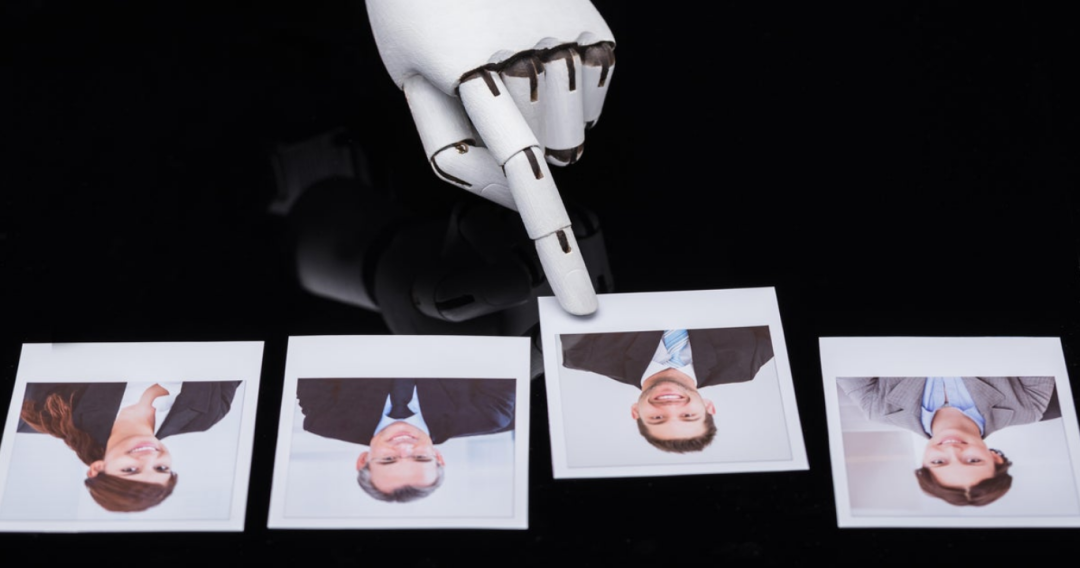
In the era of rapid development of artificial intelligence, what is truly difficult to replace is not knowledge itself, but:
judgment
creativity
emotional understanding
On-site problem solving skills
These are the core human advantages that are most difficult for machines to replicate.
Related reading:
Note: For works quoted, excerpted or reprinted from other media by New Zealand Chinese Herald, the original author or original source is responsible for the opinions, content authenticity and intellectual property rights. New Zealand Chinese Herald does not assume any responsibility. If there is any infringement, please contact us in time to delete it. If you have any questions or cooperation intentions, please contact: news@chnet.co.nz.