Physical Address
304 North Cardinal St.
Dorchester Center, MA 02124
Physical Address
304 North Cardinal St.
Dorchester Center, MA 02124

This article is reprinted from New Weekly (WeChat ID: new-weekly)
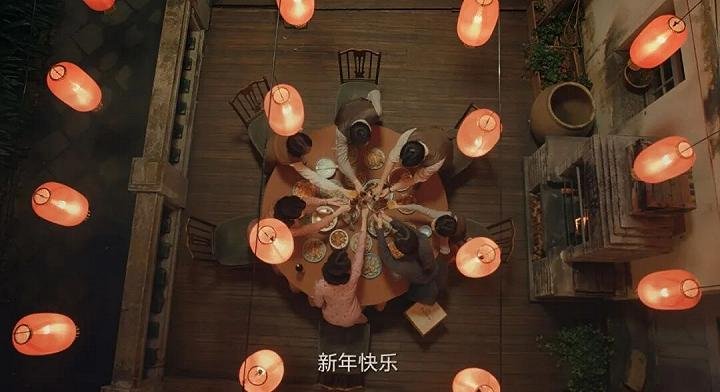
When I was a child, the New Year seemed to have a specific shape, color, sound, and taste. The smell of firecrackers filled the thin winter air. The crowd was tight and warm, and the density of happiness was higher than usual.
Author | Zhan Tengyu


When searching for keywords such as “Chinese New Year” and “Spring Festival”, the taste of the New Year comes to mind: “Drive it when you go home during the Chinese New Year! The range is 740km” “Bring a pie! Drive these cars when you go home during the Chinese New Year, and your father-in-law will stand up and toast you!” “The first choice for the Chinese New Year! Limited snack gift boxes for the Year of the Horse, corporate group buying discounts” – the New Year is not here yet, merchant discounts arrive first; before people arrive home, things must arrive first. Businessmen, like distant relatives, are particularly concerned about how much you earn this year and how much you plan to spend.
In the streets before the festival, a strong music is ready to go. That is the Andy Lau who is familiar to everyone from the age of 6 to 60. He is about to “thaw out”. “I congratulate you on getting rich, I congratulate you on being wonderful!” As soon as this BGM, which is repeated every year to the point where it has almost become a stereotype, is played, the convoys returning home from China are jammed into a square formation, and sincere or false congratulatory messages are sent from all over the country. The hometown that has been silent for a year is once again filled with local accents.
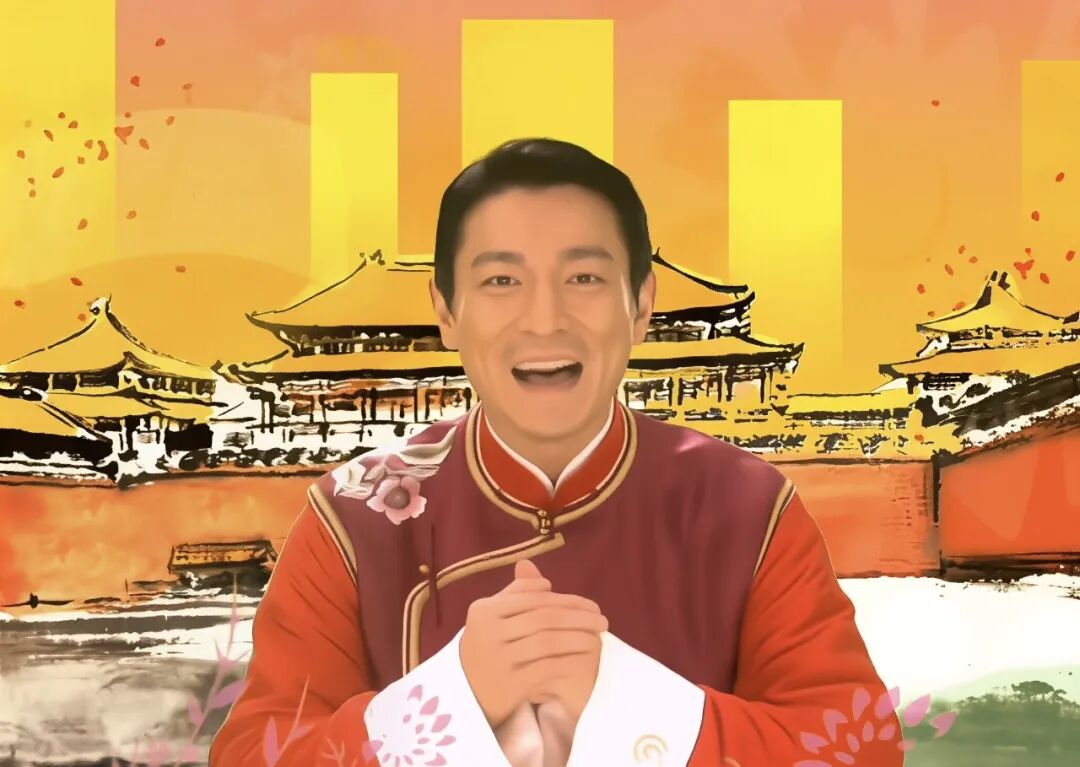
(Photo/”Gong Xi Fa Cai”)
Parents are preparing to join forces to post “barrage” messages, scrolling to complain about your hairstyle, work and relationship status from the moment you come home; relatives and friends who visit intensively will soon take over the company’s HR, using “when to get married/have a baby/have a second child” as a year-end assessment, covering your life with old-fashioned but effective firepower.
These signals are telling you that you, together with everything you are familiar with in your neighborhood and in the past, are officially entering this annual cycle of role-playing games – the Spring Festival.
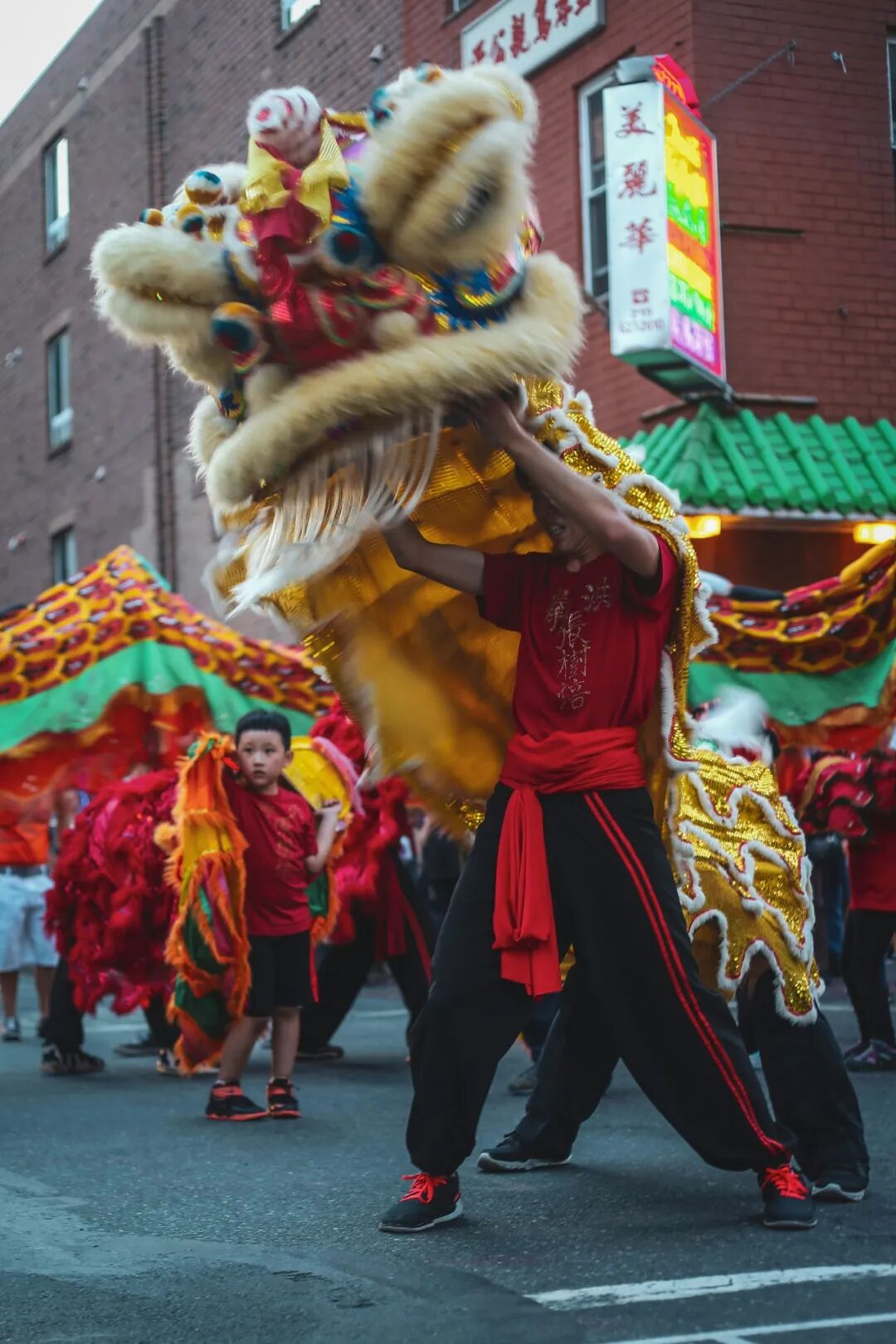
(Photo/unsplash)

We all love the holidays, but not everyone loves the Spring Festival. So, when did you start feeling bored?
When I was a child, the New Year seemed to have a specific shape, color, sound, and taste. The smell of firecrackers filled the thin winter air. The crowd was tight and warm, and the density of happiness was higher than usual.

(Photo/”Alley People”)
When I think back on it when I grow up, the term “celebrating the New Year” seems to be less accurate, more like “the New Year is passing me”: a strong sense of meaning and an inexplicable “discipline”, running over my little body together, arranging for me what to do, where to go, who to see, and what kind of auspicious words to say every day.
We are coerced into walking, expressing our opinions, and partying with the “Nian”. We follow the arrangements of our parents and talk about topics similar to last year to relatives who have not seen each other for a whole year. In a repetitive ritual, confirm that you are happy.
At some point during this almost stagnant time, we suddenly understood that the Chinese New Year seems to be the most free and carefree time of the year, but in fact it is the time with the most prescribed actions, the most detailed requirements, and the most serious self-repetition. When I was a child, I thought the Chinese New Year was fresh and interesting, but when I grew up, I gradually felt uncomfortable, and then I re-examined this state of entering into a certain rhythm of life at a certain point, and being preset and arranged for granted.
It seems that in this most important festival in the traditional sense of the Chinese nation, we always have no choice but to reunite for the sake of reunion and show the strongest family affection and love in the year on the set track. It’s like arranging a “happiness” performance for a general audience. A meal must be carefully photographed and a blessing must be written appropriately. It becomes a silent emotional labor that permeates the holidays.

(Photo/”Human World”)
We know very well that love should not be a limited-time performance, not just for seven days. Resisting the repetition and passivity of the Spring Festival is the same as our resistance to being urged to get married or have a baby: from the past habits and obedience, we enter a state of boredom or even confrontation; from “eager to celebrate the New Year” as a child, to “not wanting to celebrate the New Year” or “not knowing how to celebrate the New Year” as an adult.
At this difficult turning point, we try to understand the meaning of the Spring Festival, change some of the options that can be changed, and try to live a new year dominated by self-will and self-choice. This is the process of establishing and defending one’s own way of life, and it is also the process of rediscovering and interpreting traditions, from rebellion to understanding, from waiting and suffering to enjoying.
Of course, it is also a process of rediscovering yourself.

Let’s first talk about why we often feel passive, controlled, and uncomfortable during the Chinese New Year, despite such a lively and festive background.
Korean scholar Jang Kyung-seop proposed the concept of “compressed modernity” in “Korea under Compressed Modernity: Family Political Economy in Transition”, which is very appropriate for observing the contemporary Chinese Spring Festival. This concept refers to the phenomenon that late-developing societies have experienced multiple transformations such as modernization, urbanization, and globalization in a very short period of time, resulting in pre-modern, modern, and even post-modern values, systems, and lifestyles being squeezed into coexisting and colliding in the same time and space.
for example,Young people usually celebrate the New Year with this process:Calculate the time to ask for leave, buy tickets online with the help of ticket grabbing software, and take modern transportation facilities such as airplanes and high-speed rails to complete the most traditional clan ethical practice of “rich or not, go home to celebrate the New Year” that has lasted for thousands of years. On the New Year’s Eve reunion dinner table, modern and post-modern elements such as pre-made dishes, WeChat red envelopes, and mutual congratulations among family groups coexist with ancient rituals such as ancestor worship, kowtows, and keeping the year old.
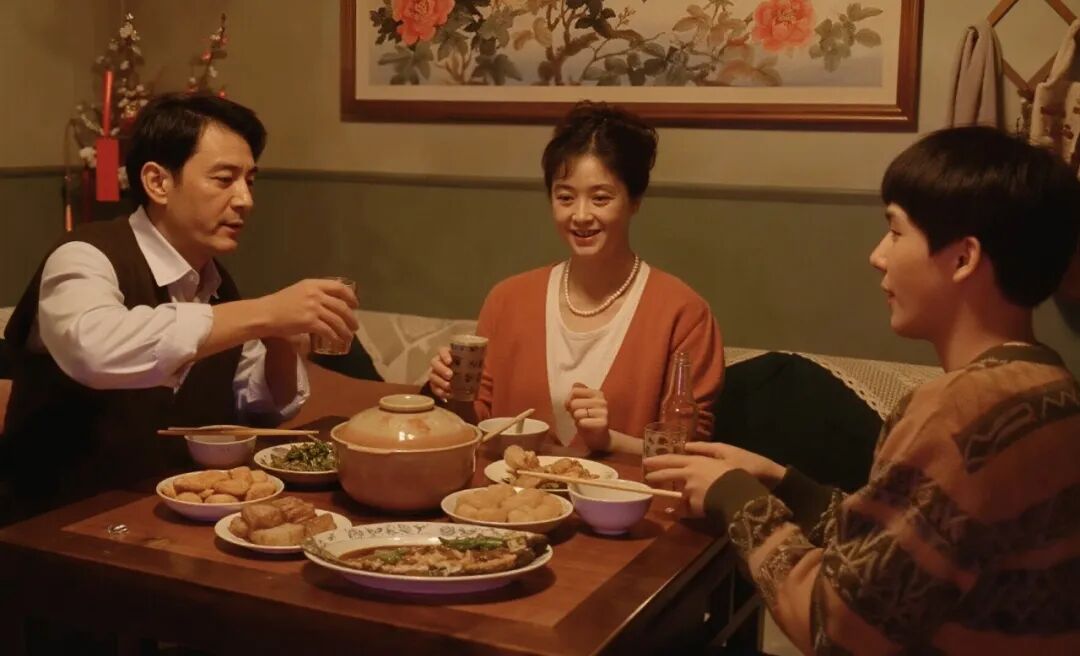
(Photo/”Alley People”)
Just like the “levitation” proposed by sociologist Yan Fei – we are usually suspended above the rules and lifestyles of the city, but at the end of the year we are pulled back to the place called hometown, and this highly compressed cultural time and space. Here, time and generations are compressed, space and relationships are compressed, concepts and ideologies are compressed, and the function of the Spring Festival is also compressed, so it is difficult for us to enjoy it purely.
When we return home, we are re-embedded in our hometown and re-adapt to our ethical roles in the traditional family. This is in obvious conflict with our constant reaffirmation of individual independence in society over the past year. Occasionally, we need to switch between different identities to perform various social performances.
We have been running around with the fast-moving era for a whole year, and suddenly we have returned to a traditional social time and space. The time logic, living conditions and multiple identities of multiple eras are simultaneously compressed into just seven days. This makes us seem to be still doing things similar to what we did when we were children, but the form and mentality have already changed dramatically. For example, we used to think that visiting relatives was a pure family connection, but in fact it had a distinct purpose of expanding social capital; we used to think that going home to reunite with family was a natural thing, but it was actually a manifestation of emotional familism.
This is how I feel tired during the Spring Festival. We are forced to play characters belonging to completely different historical periods over several days and experience their emotional patterns. This pressure of time density and composite values is why we want to escape and gain autonomy.

So we gradually realized how important it is to live a “my year” led by self-will.
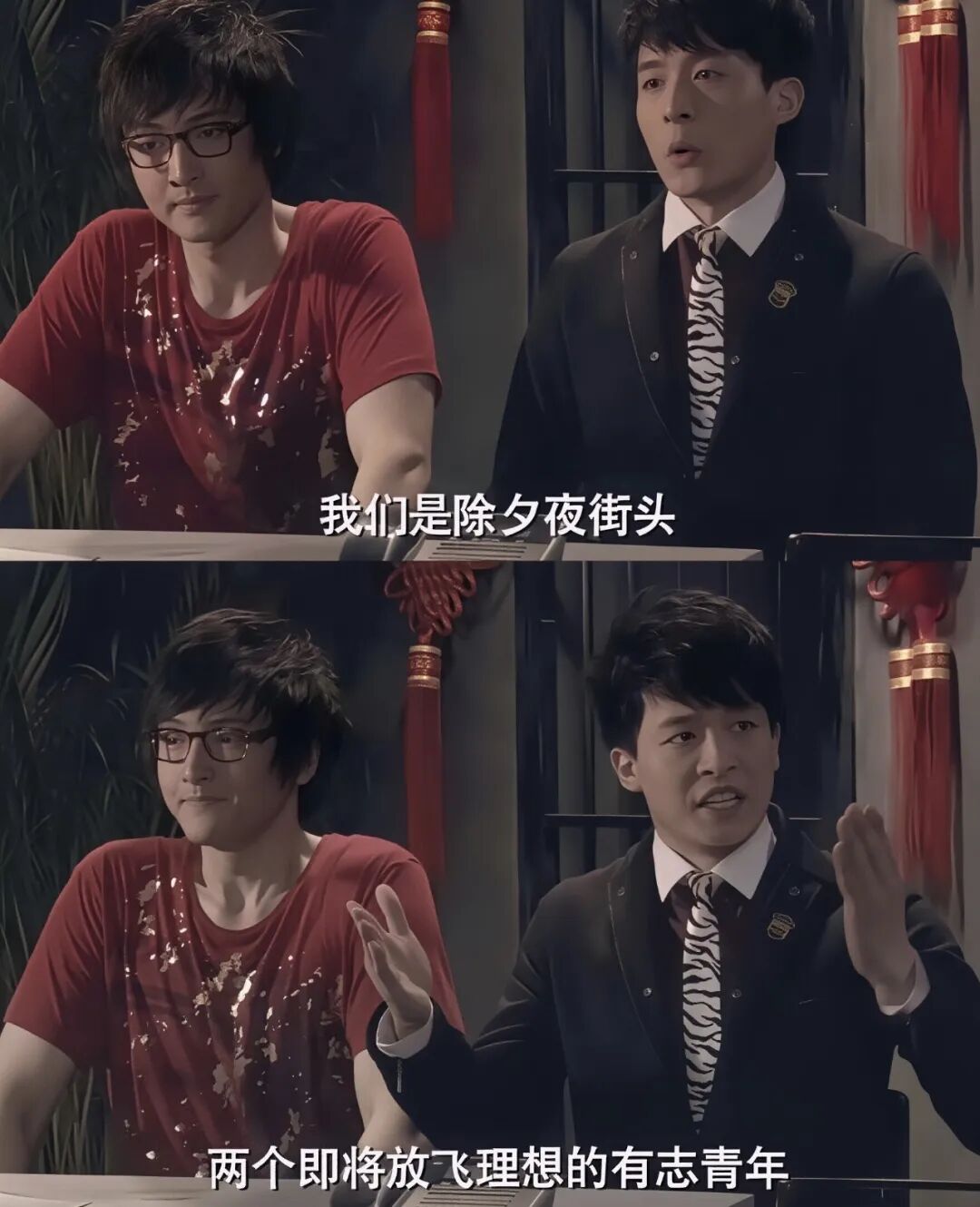
(picture/”love apartment》)
It is not a simple, middle-of-the-road, cold rebellion, but a retaking of autonomy. Young people are beginning to make their voices heard in more places, share their actions, “rectify the New Year” just like “rectify the workplace”, and issue strong challenges to some existing and formulaic things.
The so-called rectification means that young people no longer accept rigid action arrangements, dry greetings with strange relatives, and a wine table culture without any real emotions, and they no longer tolerate privacy violations in the name of concern. Of course, those born in the 80s and 90s will also do these things, but younger people have begun to express and practice it further, discussing “breaking up” on social media and discussing how to elegantly refuse ineffective social interactions. They are not afraid, they say it and do it, and they deserve more autonomy and happiness.
If you don’t fight for it, you can only get the assigned results instead of having the power to distribute.
One of the core issues facing modern people is how to rediscover meaning after being “disenchanted”.Since the traditional grand narrative has gradually become a burden, a weight that suppresses us, and cannot automatically give us a sense of happiness, it is time for us to redefine and change it.
In fact, there are already enough examples of new ways to celebrate the New Year online. For example, “reverse Chinese New Year”,Young people bring their parents back home to the city where they work to celebrate the New Year, and take them to try some things that are familiar to them but new to them, such as eating Western food, listening to concerts, and seeing art exhibitions. Since you don’t want to go back to your hometown and be arranged, then take the initiative to make new arrangements for the people around you in the new place.
Some people choose “Hotel New Year”even if you return to your hometown, you will open a room in a hotel not far from home to deal with various violations of personal boundaries and retain some room for freedom of movement. A few young people or a few young families find a B&B together, or travel together to celebrate the New Year. This way, they can have a lively atmosphere without being surrounded by excessive etiquette and boring repetitive topics.
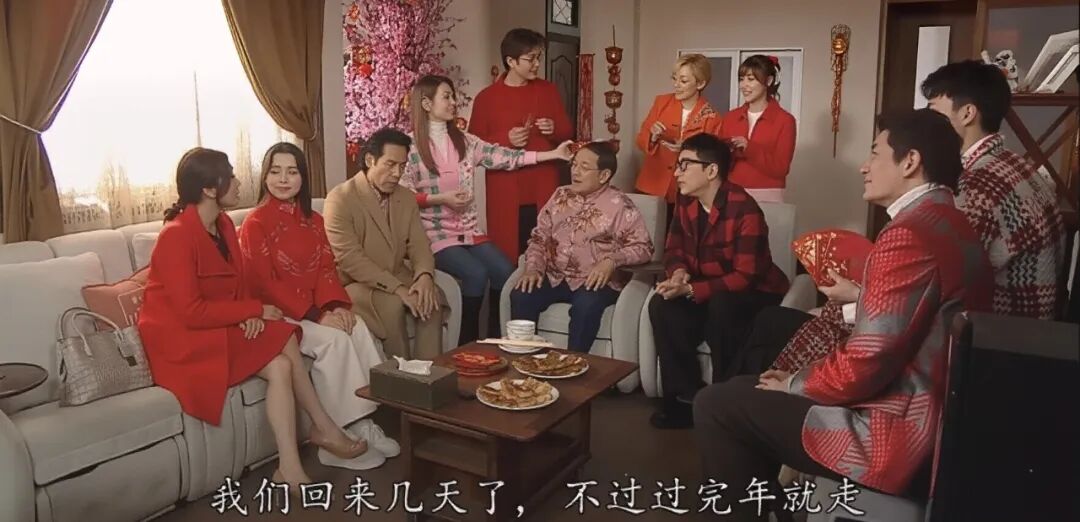
(Photo/”Love Comes Home”)
If you must go home, you can also treat yourself as a tourist in your hometown and take an in-depth tour with your old classmates. If you check information and do your homework before traveling to other places, and look at your hometown again with the mentality of making good use of these few days, you may have completely different feelings and unexpected gains.
When it comes to celebrating the New Year, we are like the camels mentioned by Nietzsche at first, silently and unconsciously carrying a lot of things, such as traditions, family, and social requirements, and we take these things for granted. Later, when we feel tired and learn to reflect, the lion in our hearts wakes up and wants to question all the rules that are taken for granted and get rid of all the burdens on us. The process is often awkward, filled with anger and suspicion.
As for whether you can really become what Nietzsche calls a “child” in the end, it’s hard to say. This requires some opportunities and courage. It’s not so easy to rediscover curiosity and the ability to play when everything starts to freeze. If you find it, then you will know that the Spring Festival does not need to carry so much continuation of family traditions and social pressure, but only carries a short period of happiness and peace.
andWhen you start to arrange this special time on your own, and you become the master of your life instead of an arranged child, this may be the beginning of your active connection with tradition and mutual understanding with your parents.
As mentioned before, I used to feel that the rules of the Chinese New Year were cumbersome and complicated, and many of the rituals seemed unnecessary. But looking back now, I have a new understanding: my mother purchased a large amount of ingredients for ancestor worship in advance, and my father picked up the brush he used once a year to write couplets again. These things that they have seen and taken for granted since childhood are actually the few creations in their ordinary lives that they can still hold tightly in their hands. The world is already full of things that they cannot understand, but these fixed actions that have been repeated for half a lifetime can give them a lot of real sense of celebrating the New Year.
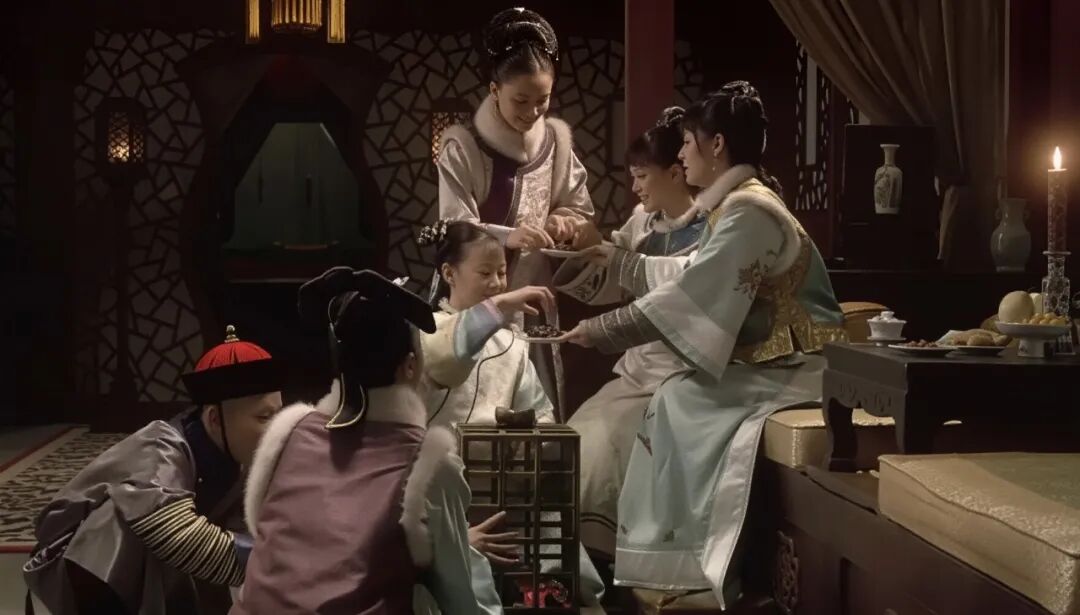
(Photo/”The Legend of Zhen Huan”)
To change the way you celebrate the Spring Festival, you can completely abandon the tradition, tell your parents “I won’t come back” or “I have other arrangements”, and do your own things; of course, you can also go through the New Year process again with you as the main one. What should be done should be done, you do it; if the couplet is not well written, you try; if the topic is too bad, you define what it means; if it is boring, then you decide what is interesting.
You are no longer a child. Stop looking at your phone, watch the Spring Festival Gala with your family, and take the initiative to chat about trivial things and past events that you would never touch on weekdays. This may be your most important “interview” throughout the year.
Living a “my year” can truly inherit the spirit of the year: in a changing world, keep your own rituals and warmth seriously and freely.In this era of rapid change, living seriously and freely is a kind of heroism in itself, which has nothing to do with time.
It’s just that the Chinese New Year provides a perfect opportunity to “live better”.
These descriptions may sound familiar: the bells are ringing, the lights of thousands of houses are twinkling, parents are still around, and the quiet surroundings occasionally sound the noise of firecrackers and fireworks – this kind of moment is still very important. After a busy year, we need this kind of specialness, this kind of order that transcends work, this kind of irresistible urge to take a good rest.
This is a very special time to allow yourself to be different from the whole year. Learning not to be an enemy of it or tradition, and learning to spend a satisfactory, decent and harmonious “my year” in your own way is still the most irreplaceable thing in the year.
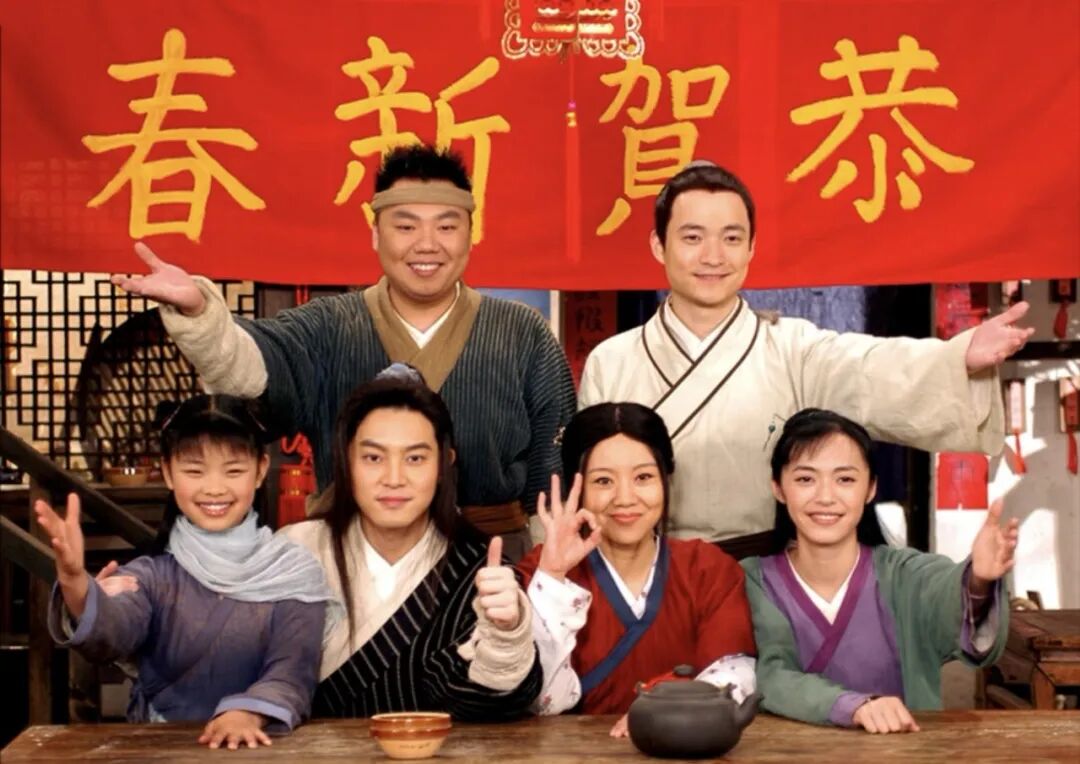
(Photo/Wulin Gaiden)
I wish you all a happy Year of the Horse.
Related reading: